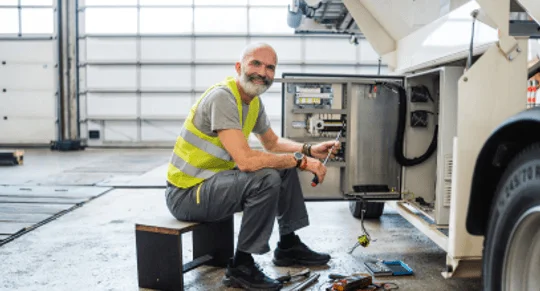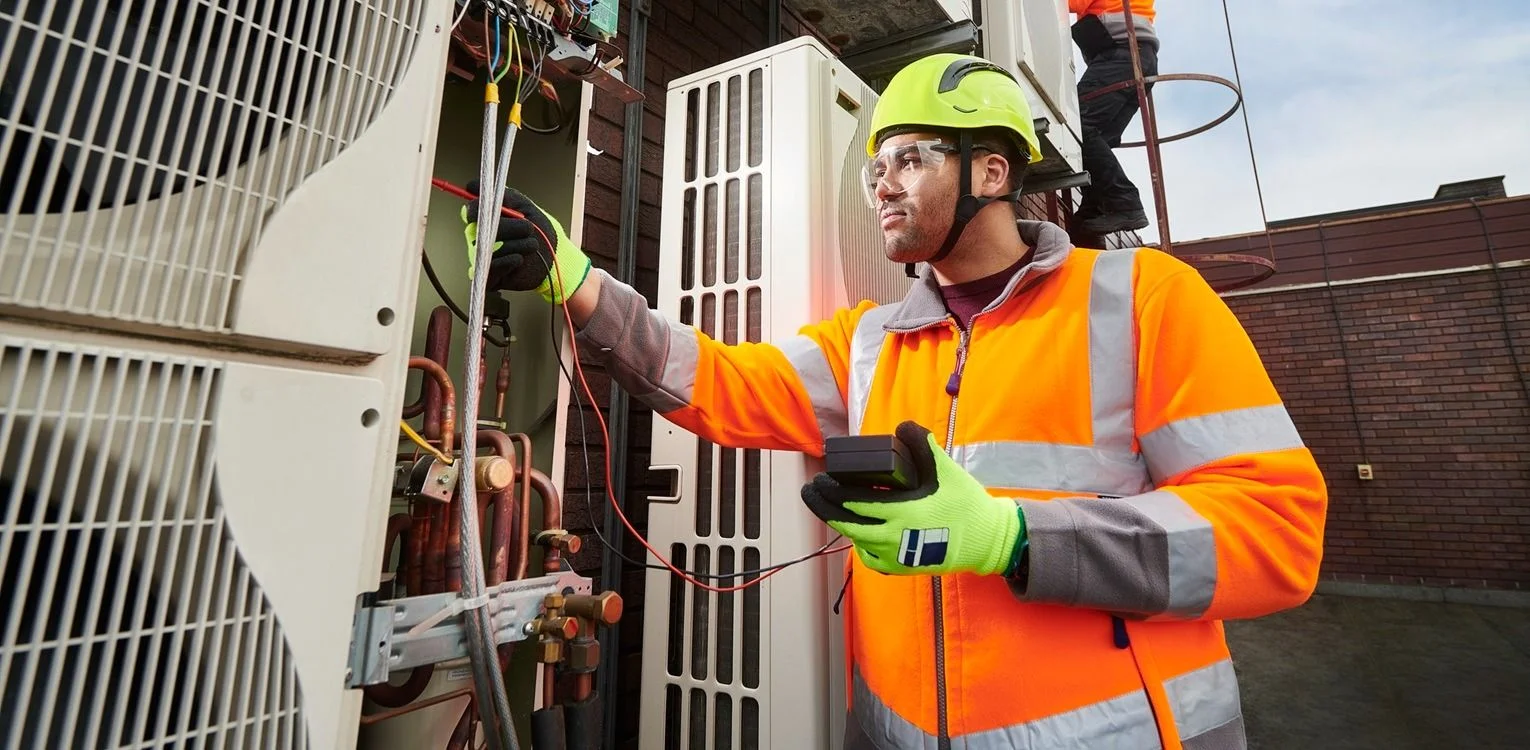
Service Engineers play a crucial role in ensuring the smooth operation and maintenance of various systems and equipment. Whether working in the field or within a specific facility, Service Engineers are responsible for installing, maintaining, and repairing machinery and equipment. This role requires a blend of technical expertise, problem-solving skills, and customer service abilities.
Typical roles for Service Engineers highlight duties such as conducting routine maintenance checks, diagnosing and fixing faults, and providing technical support to clients. Depending on your chosen industry, you will work with a wide variety of equipment, from industrial machinery to electronic systems. You must be able to read and interpret technical diagrams, use diagnostic tools, and follow safety protocols for all machinery and equipment.
Employers often look for professionals with a background in engineering or a related field. A degree or vocational qualification in mechanical, electrical, or electronic engineering is commonly required. Practical experience, whether through apprenticeships or previous roles, is also highly valued and sought after. However, some transferable skills are equally important. Service Engineers must be detail-oriented, able to work independently, and possess strong communication skills to work effectively with clients and colleagues.
In addition to technical skills, Service Engineers need to be adaptable and able to work well under pressure. You may be required to travel frequently, work irregular hours, or respond to emergency calls, so this role suits someone who enjoys flexibility and a varied workday. A valid driving licence is often essential due to emergency calls, but it isn’t always required. The most successful Service Engineers are those who can combine technical proficiency with excellent customer service, ensuring that clients' needs are met efficiently and professionally.
Read more about an Engineer job description.