

AI and Technology in Logistics Recruitment

Build a faster, more resilient logistics workforce with technology-powered recruitment and expert human insight.

Smiling Logistics professional in a warehouse

Today's logistics environment demands faster, more informed hiring decisions. Rising customer expectations, seasonal peaks, driver shortages, labour competition, and increasingly complex compliance requirements mean traditional recruitment processes are often too slow or resource intensive to keep pace.

This is where logistics recruitment technology plays an increasingly important role.

Modern recruitment technology helps organisations attract, engage, assess, onboard, and retain logistics talent more efficiently. From applicant tracking systems (ATS) and recruitment CRM platforms to automation, digital onboarding, workforce analytics, and artificial intelligence (AI), technology can help recruiters and employers manage recruitment at greater speed and scale.

However, technology alone does not solve workforce challenges. The best results come from combining recruitment technology with specialist logistics recruitment expertise, local market knowledge, and human judgement.

At Blue Arrow, we use technology to enhance recruitment, not replace it. By combining digital tools, recruitment automation, workforce data, and experienced logistics workforce specialists, we help employers build productive, reliable, and scalable workforces that support operational performance.

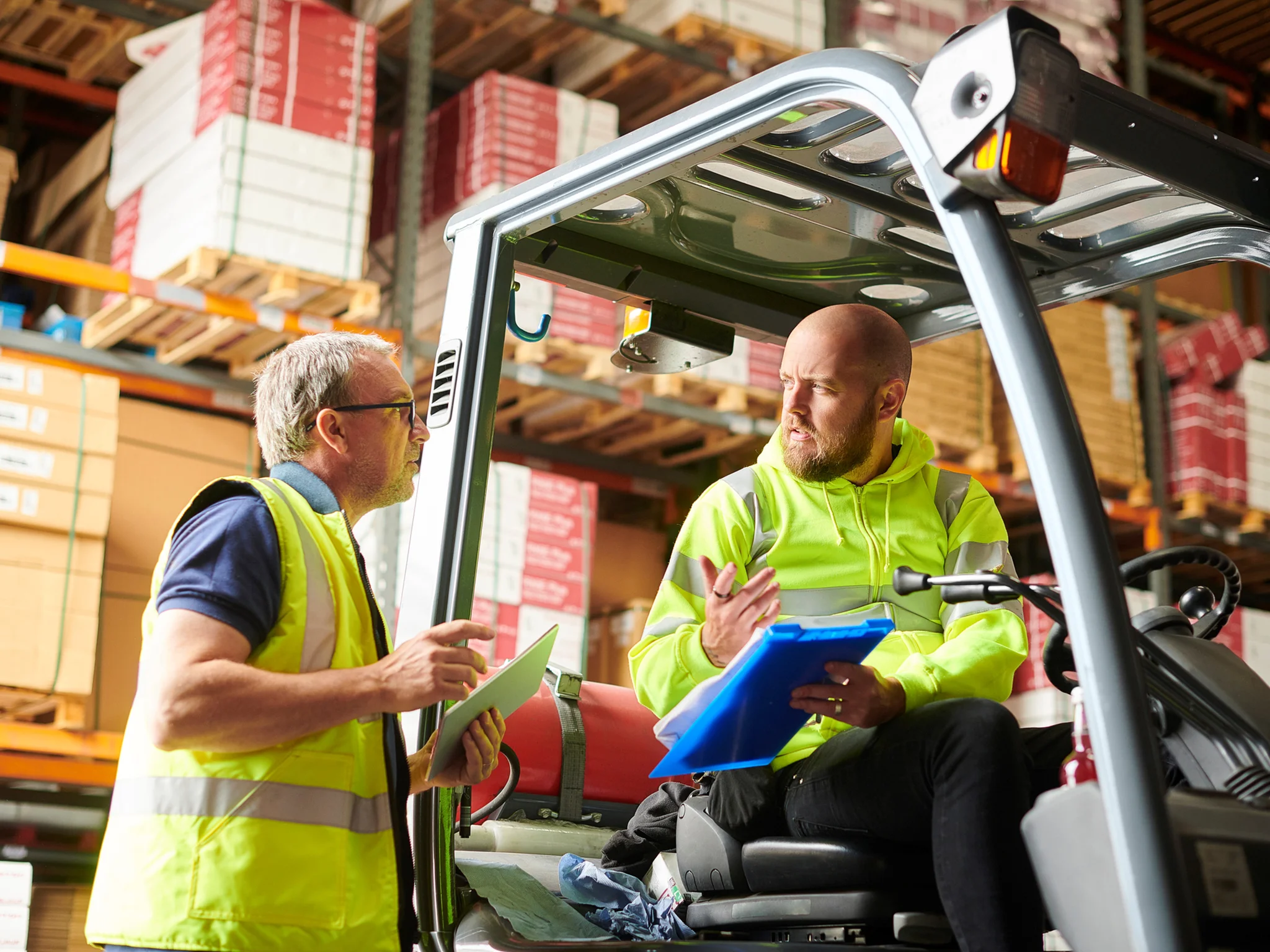
Two Warehouse workers in discussion

How Technology Is Changing Logistics Recruitment

Recruitment technology has become a key part of workforce acquisition across the logistics sector. Organisations increasingly expect recruitment partners to provide more than candidate supply. They want faster delivery, better visibility, more workforce intelligence, and improved hiring outcomes.

Technology helps make this possible.

The Shift from Manual to Technology-Enabled Recruitment

Historically, logistics recruitment relied heavily on manual processes. Advertisements were placed individually, CV screening consumed recruiter time, candidate communication was often inconsistent, and onboarding paperwork could delay mobilisation.

Today's digital logistics recruitment processes are significantly more streamlined.

Recruitment technology enables jobs to be distributed across multiple channels simultaneously, candidate data to be managed centrally, communications to be automated where appropriate, and compliance documentation to be completed digitally. Recruiters can spend less time on administration and more time identifying suitable candidates, building talent pools, and supporting hiring managers.

For logistics operations where workforce demand can change rapidly, technology-enabled recruitment provides greater agility and responsiveness.

Combining Technology with Human Expertise

While technology improves efficiency, successful logistics recruitment still depends on people.

Technology can identify potential candidate matches, automate communications, and provide workforce insights. However, it cannot fully understand site culture, team dynamics, operational requirements, or individual candidate motivations.

Experienced logistics recruiters provide context, judgement, and expertise that technology alone cannot deliver. They can assess suitability beyond keywords, identify transferable skills, understand local labour market conditions, and support both employers and candidates throughout the hiring process.

The most effective recruitment partnerships combine the efficiency of technology with the expertise of specialist recruiters.

Where Technology Adds Value to the Logistics Recruitment Journey

Technology can support every stage of the recruitment lifecycle, helping employers improve efficiency without compromising candidate quality or experience.

Candidate Attraction and Screening

One of the biggest workforce challenges in logistics is attracting qualified candidates in a competitive labour market.

Recruitment technology helps employers reach candidates across multiple digital channels, including job boards, search engines, social platforms, talent databases, and recruitment websites.

Applicant tracking systems help manage candidate applications efficiently, while candidate matching tools can help identify individuals whose skills, experience, licences, qualifications, and availability align with job requirements.

Technology can also support initial screening processes, enabling recruiters to gather essential information quickly while ensuring consistency. For example, warehouse operatives, transport coordinators, and HGV drivers may need different screening criteria based on operational requirements and compliance obligations.

The result is a more efficient hiring process that helps recruiters focus attention where it delivers the greatest value.

Registration, Compliance and Onboarding

Recruitment speed is often determined by how quickly candidates can complete registration and compliance requirements.

Digital onboarding tools help simplify this process by enabling candidates to upload documents, complete forms, verify information, and provide required evidence electronically.

For logistics employers hiring drivers, warehouse staff, or fulfilment teams at scale, this can significantly reduce administrative delays and improve mobilisation timelines.

Digital onboarding also improves visibility. Employers and recruiters can track progress, identify bottlenecks, and intervene quickly where candidates require additional support.

A smoother onboarding experience helps reduce candidate drop-off and improves the likelihood of successful placement.

Leadership, Communication and Supervision

Recruitment data provides valuable insights into workforce performance and hiring effectiveness.

Technology enables recruiters and employers to track key metrics including:

  • Reason for recruitment demand
  • Application volumes
  • Candidate source performance
  • Candidate acquisition cost (CAC)
  • Time to hire
  • Candidate conversion rates
  • Compliance completion rates
  • Fill rates
  • Attrition trends
  • Workforce availability
  • Attendance and retention patterns

This information supports more informed decision-making and helps organisations continuously improve recruitment outcomes.

For logistics employers facing recurring workforce challenges, data can help identify root causes and inform future workforce planning strategies.

Improving the Logistics Candidate Experience with Technology

Candidate experience has a direct impact on recruitment success.

Technology can help remove unnecessary friction throughout the hiring journey.

Better Candidate Communication

Candidates increasingly expect timely communication and transparency.

Recruitment technology enables faster updates throughout the hiring process, helping candidates stay informed about applications, interviews, onboarding requirements, shift opportunities, and placement status.

Automated communication tools can support recruiters by delivering important information quickly while maintaining consistency.

This helps reduce uncertainty and improves candidate engagement without removing recruiter involvement when personalised support is required.

Better communication frequently leads to better hiring outcomes.


Preventing Friction in Registration

Complex registration processes can discourage suitable candidates from completing applications.

Digital registration tools simplify data collection and make it easier for candidates to complete key steps from smartphones, tablets, or computers.

This is particularly important for logistics roles where candidates may be applying while working shifts or managing other commitments.

Reducing administrative friction helps improve completion rates and creates a more positive first impression of both the recruitment process and the employer.

Reducing Candidate Drop-Off

Candidate drop-off remains a significant challenge across logistics recruitment.

Technology can help identify where candidates leave the process and provide insights into potential causes.

Recruitment specialists can then take action to address issues such as lengthy application forms, delayed communication, complicated compliance processes, or unclear information.

By combining recruitment automation with proactive specialist engagement, organisations can improve candidate conversion rates and reduce talent loss throughout the hiring journey.

How Our Technology Supports Logistics Recruitment

At Blue Arrow, technology is integrated throughout our logistics recruitment operations to support both clients and candidates.


Successful logistics recruitment depends on matching candidates to suitable opportunities.

Recruitment technology helps us evaluate factors such as skills, qualifications, licences, location, availability, shift preferences, and employment requirements.

This enables recruiters to identify suitable opportunities efficiently while maintaining quality standards.

For clients, this supports faster workforce deployment and improved productivity.

For candidates, it improves the likelihood of finding roles aligned with their experience and preferences.


Many logistics organisations experience periods of significant workforce demand.

Seasonal peaks, contract wins, network expansion, warehouse launches, and operational changes can all increase hiring requirements.

Technology enables recruitment activity to scale more effectively by supporting candidate attraction, workflow automation, mobilisation processes, communication management, and workforce reporting.

When combined with specialist recruitment expertise, these capabilities help deliver high-volume recruitment programmes without sacrificing quality or candidate experience.


Technology is most valuable when it enhances human expertise.

Blue Arrow's logistics recruiters use technology to access workforce insights, manage recruitment processes efficiently, communicate effectively, and improve hiring outcomes.

At the same time, our recruiters apply market knowledge, sector expertise, workforce planning support, and candidate engagement strategies that technology alone cannot replicate.

This combination helps clients achieve both operational efficiency and workforce quality.


Why Partner with Blue Arrow for Technology-Enabled Logistics Recruitment?

Logistics employers need more than recruitment software. They need workforce solutions that help them achieve safe, productive, profitable, and predictable operational performance.

Blue Arrow combines specialist logistics recruitment expertise with recruitment technology, workforce analytics, automation, and AI-supported processes to help organisations hire more effectively.

Our technology helps support:

  • Faster candidate attraction
  • Better workforce visibility
  • More efficient onboarding
  • Improved reporting and analytics
  • Enhanced candidate communication
  • Recruitment process scalability
  • Workforce planning insight
  • Attrition and retention analysis
  • Candidate source tracking
  • Conversion measurement across recruitment channels
  • Reduce administrative effort
  • Consolidate complex and fragmented agency supply chains

However, technology is only part of the solution.

Our recruiters bring deep logistics sector knowledge, understanding the realities of warehouse operations, transport networks, fulfilment centres, last-mile delivery environments, and complex workforce challenges.

We help organisations understand not just how many people they need, but how recruitment performance impacts productivity, attendance, retention, workforce stability, and operational outcomes.

Whether you're hiring warehouse operatives, HGV drivers, transport professionals, fulfilment staff, supervisory teams, or operational leaders, Blue Arrow combines technology and human expertise to help deliver the workforce your business requires.


Logistics Recruitment Technology FAQs

What Are the Benefits of Recruitment Technology in Logistics?

Recruitment technology can improve hiring speed, workforce visibility, compliance management, reporting, and scalability. For logistics employers, this can mean faster access to qualified workers, reduced vacancy-related disruption, improved workforce planning, stronger compliance controls, and greater confidence in maintaining operational performance during periods of fluctuating demand.

Can Technology Speed-Up Logistics Recruitment?

Yes. Technology can support faster candidate attraction, screening, onboarding, communication, and reporting processes. For employers, this can help reduce time-to-fill, minimise operational disruption caused by vacancies, maintain service levels, and improve responsiveness during peak periods or unexpected workforce shortages.

How Is AI Used in Logistics Recruitment?

AI is commonly used to support candidate matching, search functionality, recruitment analytics, communication workflows, and workforce insights. When combined with human expertise, it can help employers identify relevant talent supply and demand issues more efficiently, improve workforce planning visibility, and make faster, more informed hiring and contingent workforce and fleet scheduling decisions.

Are There Any Risks of Using Technology in Logistics Recruitment?

Technology should always be implemented responsibly. Overreliance on automation without human oversight can create challenges. Recruitment decisions should continue to involve experienced professionals who can apply context, judgement, and an understanding of operational requirements, workforce risks, and local labour market conditions.

How Does Logistics Recruitment Technology Improve Hiring Decisions?

Technology provides access to workforce insights, candidate availability data, recruitment analytics, and market intelligence. Combined with specialist expertise, this helps employers make more informed workforce decisions, improve hiring quality, reduce recruitment risk, and better align labour supply with operational demand.

Discover a Smarter Approach to Logistics Recruitment

Technology is changing how organisations attract, hire, onboard, and retain logistics talent. AI, automation, recruitment software, digital onboarding tools, workforce analytics, and applicant tracking systems all have a role to play in building stronger workforces.

However, the most successful recruitment strategies combine technology with specialist human expertise.

At Blue Arrow, we help logistics employers use recruitment technology as a practical tool for solving workforce challenges, improving hiring efficiency, increasing visibility, and supporting more productive operations.

Whether you're looking to improve workforce planning, reduce hiring delays, strengthen candidate experience, increase retention, or scale recruitment across multiple locations, our technology-enabled logistics recruitment solutions are designed to support better workforce outcomes.

Speak to our logistics recruitment specialists to discover how technology, data, recruitment automation, and human expertise can help your organisation build a more productive, profitable, and predictable workforce.

Warehouse worker smiling while operating a pallet truck