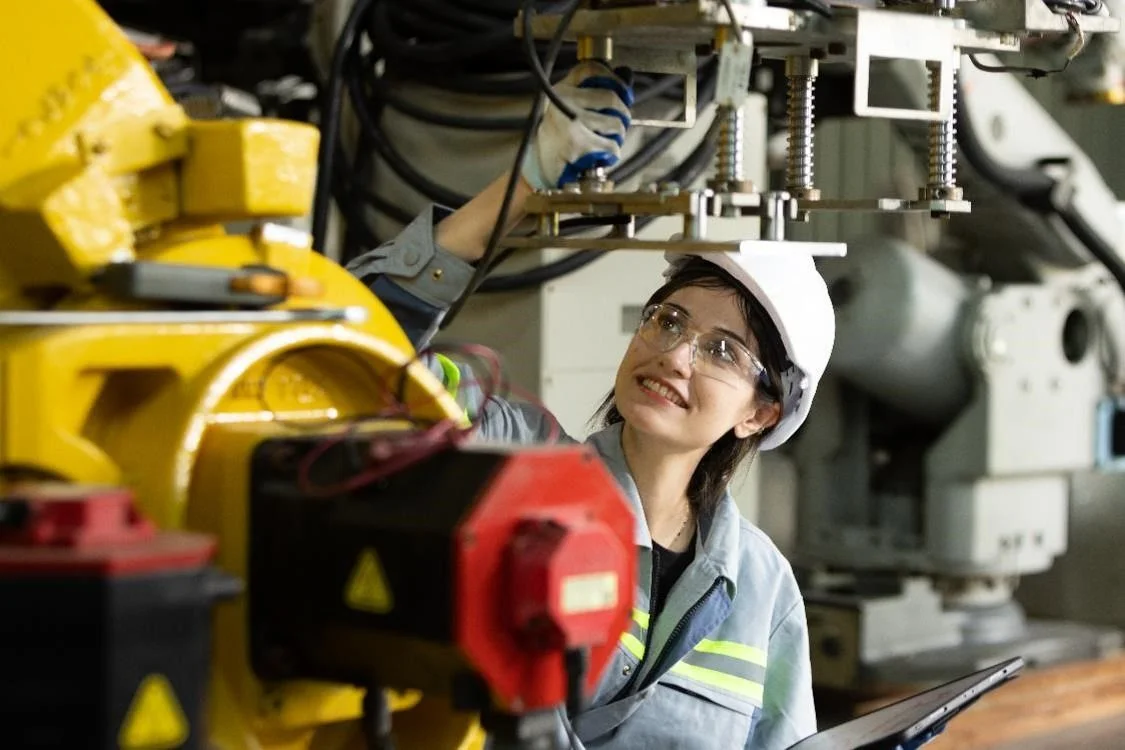
Production Engineers play a pivotal role in manufacturing and production environments, ensuring that processes run smoothly, efficiently, and safely. They are responsible for designing, implementing, and optimising production processes to improve efficiency, reduce costs, and maintain high-quality standards. This role requires a blend of technical expertise, problem-solving skills, and a keen eye for detail.
Typically, roles in Production Engineering highlight duties such as developing and implementing process improvements and conducting risk assessments. You’ll also be required to ensure compliance with safety and environmental regulations. You may also be involved in troubleshooting production issues and conducting root cause analysis. As a Production Engineer, you must be proficient in using process simulation software, interpreting technical diagrams, and applying engineering principles to solve complex problems.
Employers often look for candidates with a degree in mechanical engineering, industrial engineering, or a related field. Practical experience, whether through internships, apprenticeship programs, or previous roles, is highly valued. Production Engineers must be detail-oriented, able to work independently, and possess strong communication skills to interact effectively with colleagues and stakeholders.
In addition to technical skills, Production Engineers need to be adaptable and able to work under pressure. You may be required to travel to different sites, work irregular hours, and respond to emergency situations. The most successful Production Engineers are those who can combine technical proficiency with excellent problem-solving abilities, ensuring that production processes run smoothly and efficiently.
Read more about an Engineer job description.