
View All Career Support

Key Skills for Warehouse Work

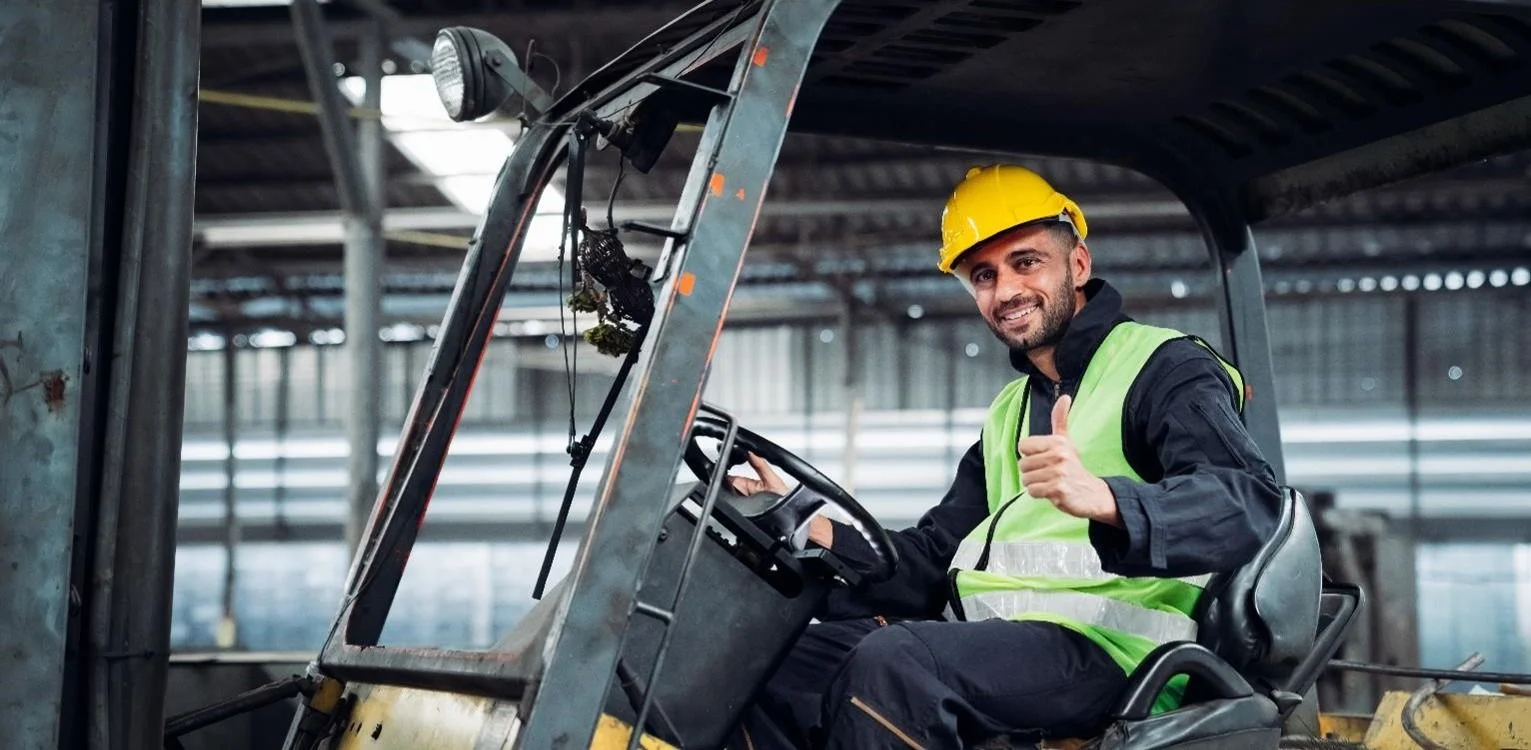
Working in a warehouse can take many forms, from Warehouse Operatives and Picker Packers, to Forklift Truck Drivers, not to mention the scores of administrative, logistics, management, and driving staff that make up a warehouse workforce.

Each role requires specific attributes that will be detailed with the job description but there are a few key skills that are applicable to all warehouse jobs.
Why Warehouse Skills Are Important

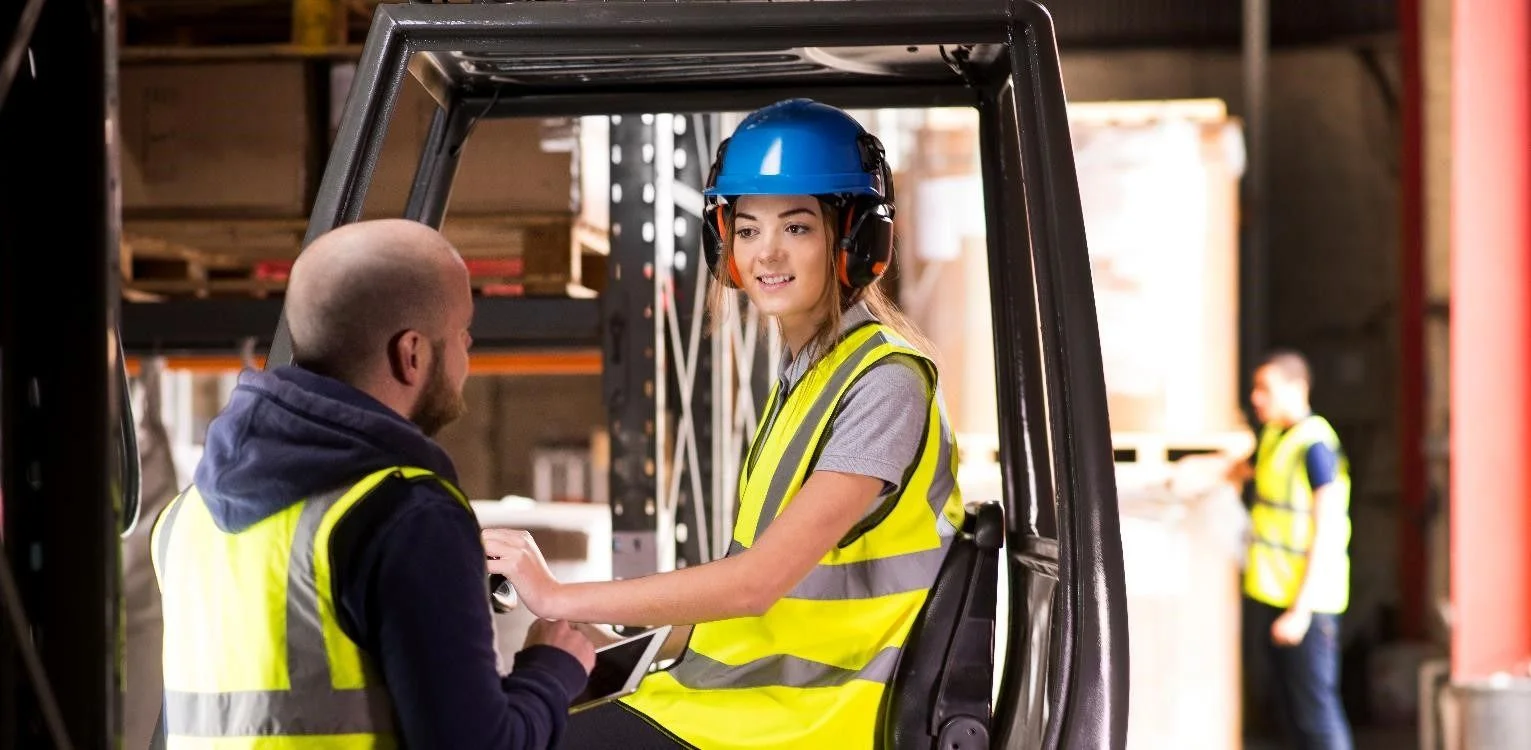
Warehouse skills are essential to keeping operations running smoothly, efficiently, and safely. Whether working within a busy distribution centre or a smaller storage facility, employees rely on a combination of physical ability, practical knowledge, and personal attributes to complete tasks accurately and on time. Strong warehouse skills help reduce errors, improve productivity, and contribute to a safer working environment for both colleagues and customers.

What Physical Skills Are Needed to Work in a Warehouse?

Stamina

One of the most well-known attributes for colleagues working in a warehouse environment is fitness. With so much ground to cover in the line of duty it is important to ensure that you follow a healthy lifestyle to enable you to develop and maintain a moderate level of fitness.

Mobility

Picking and packing products can involve a substantial amount of manual handling including bending, stretching, stooping, stepping, reaching and lifting. Your range of mobility is important to ensure you can work safely within health and safety regulations without placing undue strain on your body.

Hand-Eye Coordination

Using mechanical handling equipment to move products around a warehouse requires hand, eye and foot coordination to ensure safe use of the equipment.

Practical Warehouse Skills

Literacy and Numeracy

Reading from picking sheets, following instructions and directions are an important part of warehouse work and so you need to have the ability to read, and understand the information provided as well as be able to count accurately and perform simple maths calculations.

Time Management

Warehouses operate to strict schedules with deliveries, collections and dispatches all working to set deadlines. Being able to manage your time effectively ensures tasks are completed efficiently, helping the wider operation to run smoothly and reducing delays across the supply chain.

Attention to Detail

Accuracy is an important part of warehouse work. From selecting the correct products to checking labels, stock numbers and quantities, paying close attention to detail helps minimise mistakes and ensures customer orders are processed correctly.

Key Personal Skills for Warehouse Employees

Self-Motivation

Most roles in a warehouse are autonomous with individual tasks and workloads being assigned, it is important that you are comfortable with working on your own, motivating yourself to complete your work and meet your targets.

Teamwork

Despite the autonomous nature of the roles within a warehouse, colleagues are encouraged to work as a team. A workforce, performing duties simultaneously, working together to contribute effectively to the process chain benefits everyone.

Reliability

Warehouse operations depend on colleagues arriving on time, completing their duties consistently and supporting the wider team. Reliability is highly valued by employers as it helps maintain productivity and ensures work is completed to the required standard.

Modern Warehouse Skills

As warehouse environments continue to evolve, employees are increasingly expected to adapt to new technologies and processes. Modern warehouses often rely on automated systems, digital tracking and advanced equipment to improve efficiency, making it important for workers to feel confident learning new tools and ways of working.

Technology and Management Systems

Many warehouses now use digital inventory systems, handheld scanners and warehouse management software to monitor stock levels and track orders. Being comfortable using technology can improve accuracy and efficiency while helping operations run more effectively.

Health and Safety Awareness

Health and safety plays a vital role within any warehouse environment. Employees must understand safe working procedures, use equipment correctly and follow company guidelines to reduce the risk of accidents and injuries in the workplace.

How to Improve Your Warehouse Skills

Warehouse skills can be developed over time through practical experience, training and a willingness to learn. Building on your existing abilities can improve your confidence, increase job opportunities and help you progress within the industry.

Training and Certifications

Many employers offer training opportunities to help employees expand their skills and knowledge. Qualifications such as forklift truck licences, manual handling training and health and safety certifications can improve employability and support career progression within the warehouse sector.

On-the-Job Experience

Hands-on experience is one of the best ways to develop warehouse skills. Working in different areas of a warehouse allows you to build confidence, improve efficiency and gain a better understanding of how warehouse operations function.

Getting Warehouse Experience

Getting warehouse experience is crucial if you're going to develop your skills and land the job you want. Thankfully, there are a number of different routes to get hands-on experience of a warehouse environment to build out your CV. Find out more today.

View the Latest Warehouse Vacancies