Dress Code
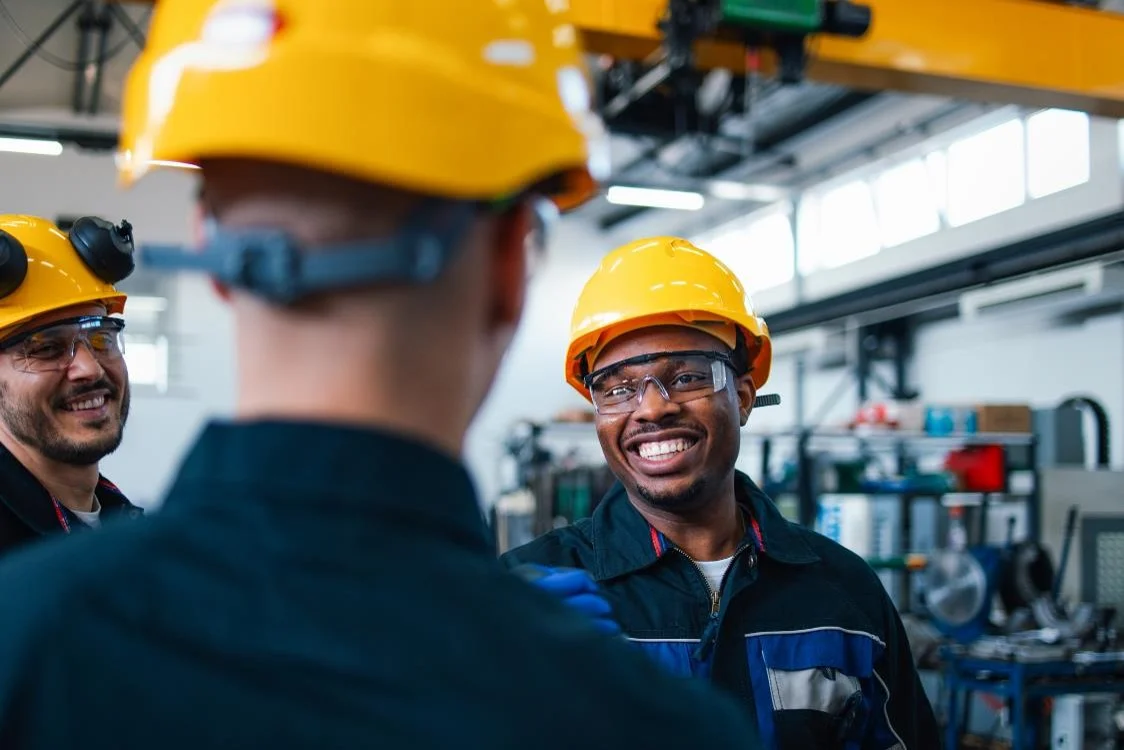
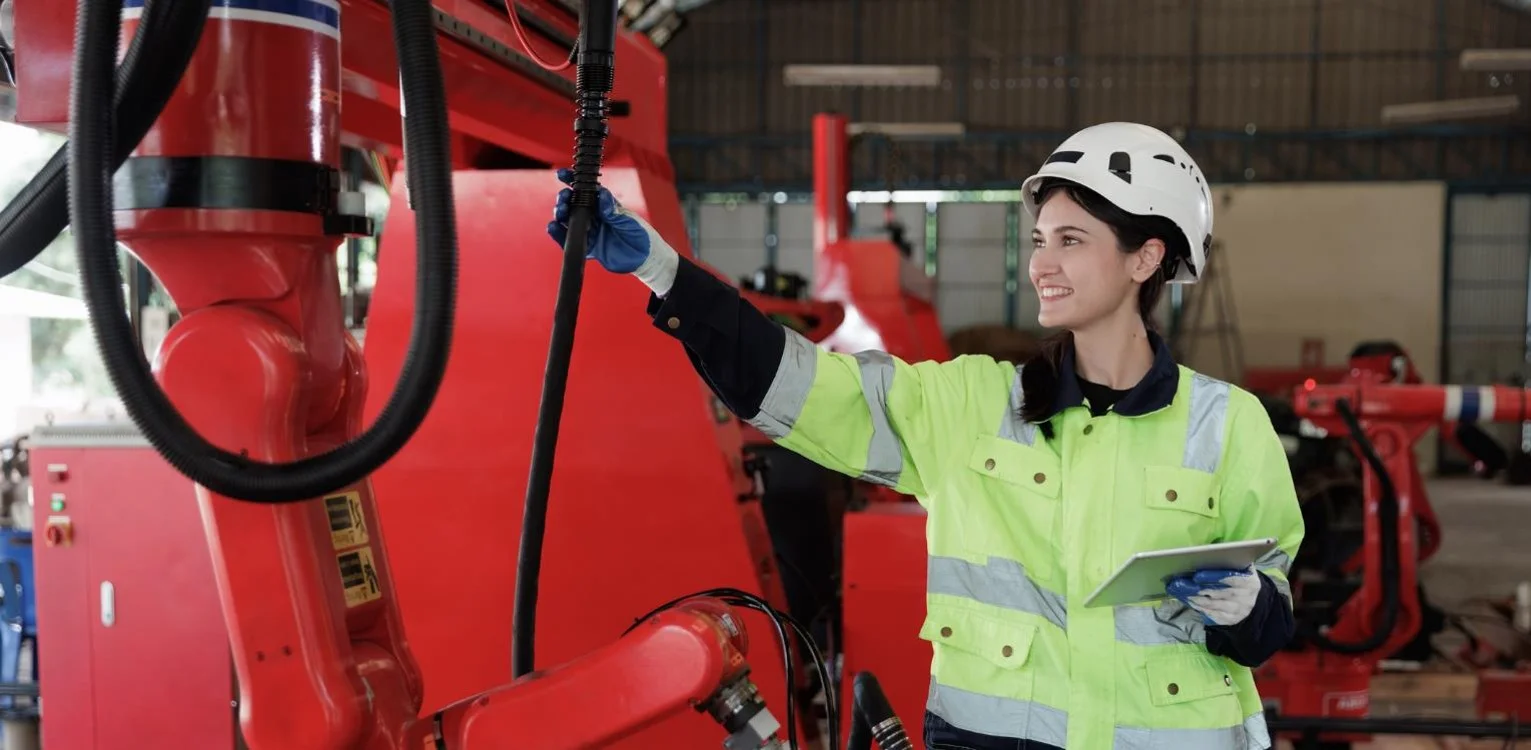
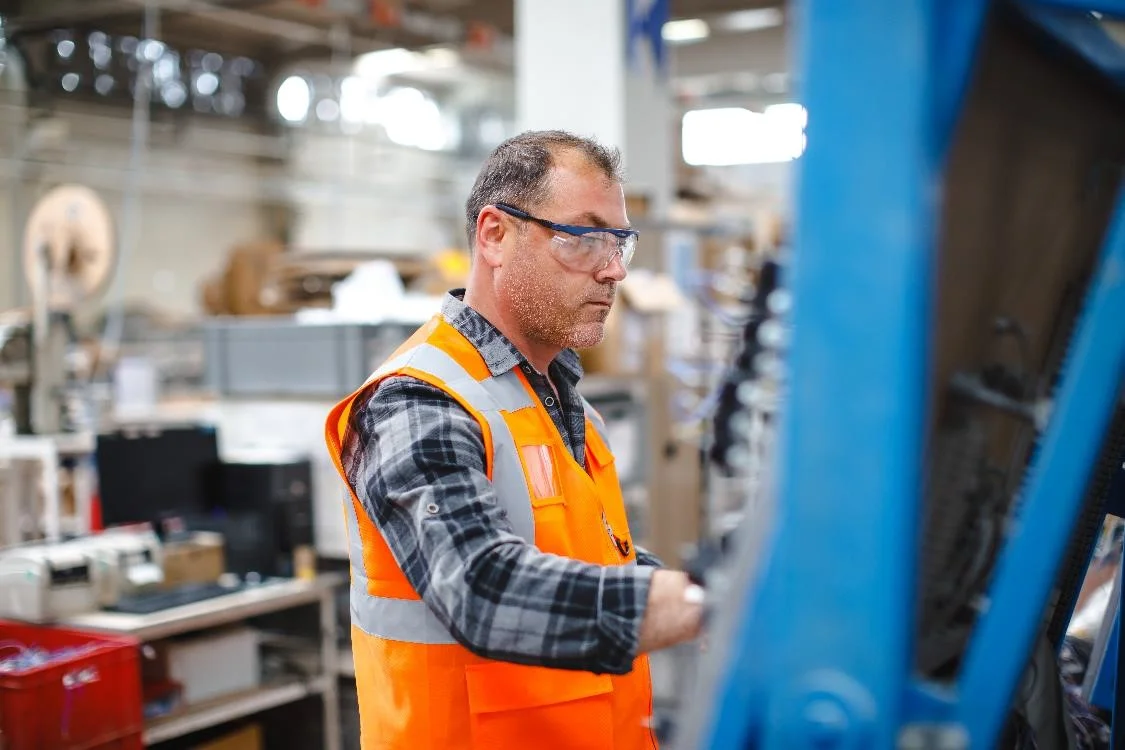
A Machine Operator should prioritise wearing practical and safe clothing, usually consisting of sturdy work pants, long-sleeve tops, closed-toe shoes and safety gear like gloves and hearing protection.

A Machine Operator should prioritise wearing practical and safe clothing, usually consisting of sturdy work pants, long-sleeve tops, closed-toe shoes and safety gear like gloves and hearing protection.
It is part of a Machine Operator’s duties to use their technical knowledge and maintenance skills to use different types of industrial machinery. They will maintain machinery to high safety standards, ensuring that the machines produce high-quality products.
A Machine Operator must be safety-conscious and always wear the appropriate PPE when using industrial machinery. It is important to inspect the machines before and after use and stay with the machine while it is operating.
It is also important to be able to problem-solve. Sometimes, issues might occur, and it is the Machine Operator’s job to identify the problem and devise a practical solution to fix it.
A proficient Machine Operator will have a good technical knowledge of industrial machinery including maintenance skills for keeping good safety standards when using the machines.
A Machine Operator must have a deep understanding of the machinery they operate, including its functions, controls, safety procedures, potential malfunctions and basic maintenance requirements.
Sometimes, problems with the machinery can occur, and it is important to know what to look for when performing checks on the machinery before performing maintenance. A Machine Operator must be knowledgeable to perform at maximum productivity, and it is crucial to learn about these industrial machines either through education, apprenticeships, or on-the-job training.
Staying safe is one of the most important parts of being a Machine Operator, as not paying attention, wearing the wrong protective gear, or leaving the machine unattended can cause serious injuries.
Give any task your full attention, and make sure you stay at a safe distance from the machinery’s moving parts. Don’t wear thin fabric or accessories that have the potential to get caught in the machinery, and be proactive when an issue occurs to turn off any involved machinery. These are just some of the basic safety awareness a Machine Operator should have.
When operating machinery, it is important to read the operator’s manual to know what issues to look out for and prevent them before they can occur. Usually, this can be achieved with regular maintenance.
Perform routine maintenance before and after using any machinery by making sure the machine is clean, well lubricated, and has no worn or broken parts. Observe small details such as changes in how the machine sounds. Performing maintenance will keep production running smoothly and will contribute positively to the team.
A Machine Operator must ensure that their machinery produces quality products and runs efficiently without breakdowns. They must also maintain the machines and troubleshoot any issues.
When operating the manufacturing equipment, you will need to make sure you are using the correct parts and materials that are high quality to prevent any faults from occurring with the product, as faulty items can also cause issues with the machinery.
Understand how the machinery works and how it is supposed to sound and track any problems. When operating moving parts, make sure to give the work your full attention and keep any hanging clothing or accessories away from the machine.
To ensure quality and efficiency you should follow established operating procedures clearly. Perform regular quality checks on the products to make sure they are all up to standard and quickly identify and address potential issues.
Maintaining proper machine upkeep will optimise production speed while adhering to quality standards, and any problems should be communicated to relevant personnel, as an issue at your station could cause problems for others in the production line.
It is important to look after whatever machinery you use as a Machine Operator, as problems can cause stalls in production and sometimes injuries. Scheduled maintenance should be performed on time, this includes inspecting the machine for any damaged parts, lubricating moving parts to prevent friction and wear, and performing minor repairs when necessary.
Identify potential problems before they arise and report significant problems to the relevant team or staff to be dealt with properly. One issue can cause more problems down the line, so it is important to have good awareness.
A specialist deals with complex machinery, and though the role utilises many of the skills learned as a Machine Operator, you will also need strong mechanical aptitude and problem-solving skills, as well as the ability to work as part of a wider team.
It is possible to move into this role with a good deal of machine operating experience and machine knowledge. Ask to learn how to use more advanced machinery while performing Machine Operator duties to gain a better understanding of complex machinery.
Yes, it is important to have formal training when learning to become a Machine Operator. This is usually through education, apprenticeships or on-the-job training.
The Average salary for a Machine Operator is around £31,000 per year, with entry-level positions averaging around £25,000 per year in the UK.
A Machine Operator is responsible for setting up, operating, monitoring and maintaining industrial machinery, ensuring it runs safely and efficiently to produce high-quality products.