


How to Become a [JOB ROLE]

[JOB ROLE] support Drivers, manage daily transport activity and keep deliveries moving safely and efficiently. This guide explains the Transport Operator role, key responsibilities, essential skills and career progression opportunities within the logistics industry.

woman writing on in notebook

Overview of the [JOB ROLE] Role

If you like keeping things organised and want a role where your communication skills help keep daily transport activity on track, becoming a Transport Operator could be a great opportunity in your logistics career. In this role you help keep vehicles moving, support drivers with clear information, and maintain the flow of goods between depot and customer.  

You will work with tools such as a transportation management system (TMS) to track progress and update information, helping ensure deliveries stay on schedule. Transport Operators are an essential part of third party logistics (3PLs) networks, retail distribution centres, manufacturing sites, and regional hubs where dependable coordination and attention to detail make a real difference. 

woman on headset

Dress Code

A Truck Driver can prioritise comfort and practicality, usually wearing presentable jeans, a t-shirt or company-issued work shirt, and comfortable work boots. High visibility clothing and other protective clothing might also be necessary depending on the cargo or changing weather conditions. 
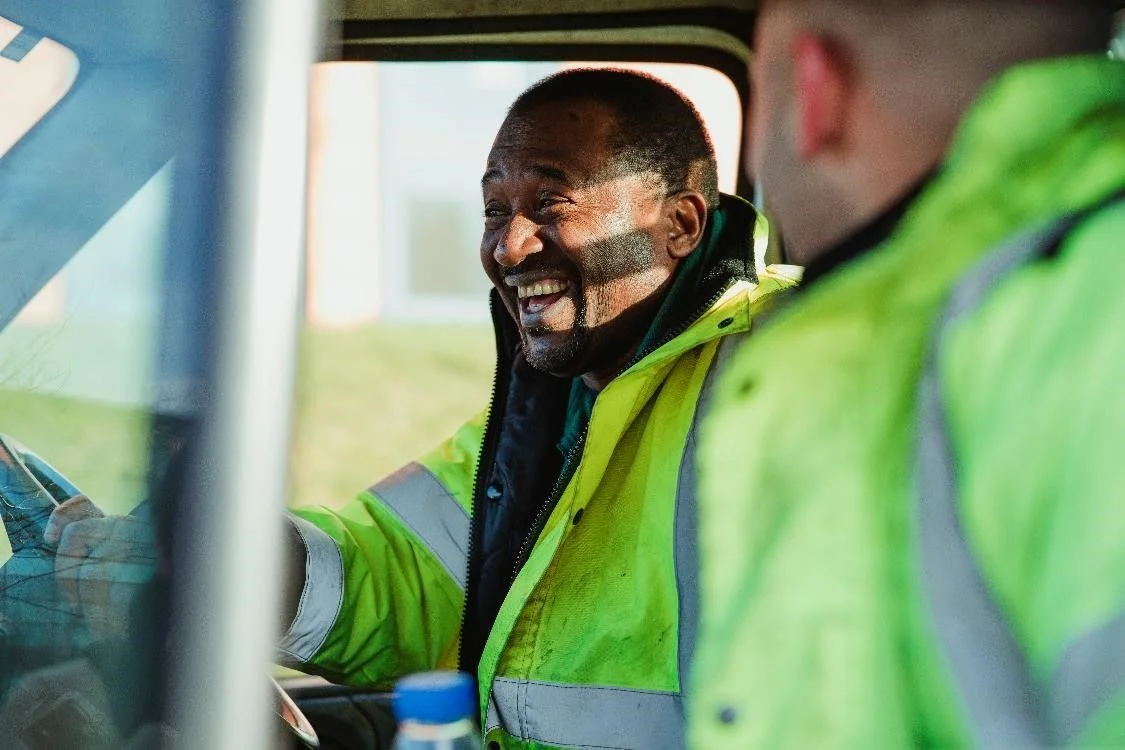
Truck Driver Responsibilities

A Truck Driver is responsible for transporting their cargo. This includes keeping detailed logs of deliveries, loading and unloading cargo safely, maintaining the safety standards of their vehicle, and planning routes in the event of traffic issues. 

Truck Drivers must be observant, proactive with health and safety, and understand when to take breaks, or avoid congestion or accidents. 

Truck Driver Tips

Learn how to check your blind spots. Trucks are much larger than cars and Drivers must exercise caution when on the roads to avoid collisions, make sure you know where the blind spots are and how to stay safe on the road.

Check tyres and breaks regularly to avoid accidents and reduce stress while travelling. 

Qualifications and Skills of a Truck Driver

Truck Drivers must have excellent road safety knowledge to be aware of hazards while driving, and time management skills for completing deliveries on time as well as a formal HGV licence. 

HGV Licence (Category C/Category C + E)

To become a Truck Driver you must first have an HGV Licence for Category C or Category C + E vehicles. There are a number of tests that need to be taken to pass the training and obtain the licence, such as a theory test, practical training and a driving test.

To start this process, potential Truck Drivers must apply to the DVLA, and HGV training providers are found nationwide. 

An HGV Category C + E Licence allows Truck Drivers to drive vehicles weighing over 3,500kg. 

Find out more about the different commercial driving licences in the UK.

Road Safety Knowledge

Truck Drivers need extensive road safety knowledge, as they are responsible for vehicle maintenance before, during and after a journey. They must take preventative measures to make sure that the potential for accidents is reduced.

They must also follow speed laws, maintain a safe following distance from other vehicles, and understand the large blind spots around the truck. 

Truck Drivers travel in all weather conditions, and it is essential to know how to navigate the roads in unclear weather. 

Time Management

Time management is an essential part of a Truck Driver’s job, as some cargo can be perishable, or delays in deliveries can have a negative impact on other businesses. It is important to know when to take breaks, how much distance to travel in a day and how many deliveries should be made during a period of time. 

Being punctual increases productivity, reduces the risk of accidents caused by fatigue or rushing, and maximises delivery efficiency which can lead to higher earnings.

Duties of [JOB ROLE]

Other duties of Baristas include cash handling while taking orders, cleaning equipment after use, and of course, serving customers. All these skills will become second nature to an experienced Barista.

Preparing and Serving Orders

Once a customer selects their order it is your responsibility to make it. Does it require sugar-free syrup? Do they require a milk alternative? These are things you must remember while preparing drinks.

Table service might also be required, and sometimes trays can be heavy. Remember to be safe while carrying anything through the shop to avoid spills and dangers and be aware of your surroundings.

Cleaning Equipment

You might have seen Baristas when you visited a coffee shop, cleaning milk steamers. It is important to keep these things in working order while performing regular tasks. Espresso machines are large, and you will receive training on how to properly maintain these machines.

Cups, saucers, glasses and plates are just some of the dishes and cutlery that a Barista will use. These will need to be collected and cleaned after use so that they can be safely reused again.

Cash Handling

It is common for customers to pay for their orders with cash. As such, you will learn how to use a cash register to collect cash and give change. Be mindful of the amount of change your customer needs, as they must be given exact change.

Handling cash also comes with risks such as counterfeit currency. You will be shown how to spot this type of cash during your training.

Barista Career Path & Progression

If you’re looking for more responsibility in your role, it’s possible to progress into roles such as Manager, or if you enjoy what you’re doing, but want something more, there’s always the opportunity to find another career in hospitality.

Pathways to Cafe or Coffee Shop Manager

If you’re happy where you work but want progression, then looking into Management roles is always viable. Start by showing that you’re capable of taking on bigger tasks like stock management, or team lead roles. Improve your coffee-making techniques and show an aptitude for passing on knowledge to new Baristas.

Have excellent customer service and be capable of dealing with any issues presented to you.

Gain knowledge and understanding of financial management and budgeting, which you will use for stock management and hiring.

woman writing on in notebook

As this role is dedicated to emergency services it is the first point of call for individuals experiencing medical crises and therefore requires an extensive amount of experience working well under pressure.

Hospitality Career Progression

After spending time as a Barista, you might have gained an interest in other parts of hospitality and catering, and many skills you’ve learned will be transferable. Writing a Barista CV detailing your experience will be your first step into other hospitality careers.

Perhaps you’re interested in becoming a Bartender or a Kitchen Porter with progression opportunities as a Chef. There are plenty of paths to choose, and having your customer service and time management experience will help you on your way.

FAQs on Becoming a Barista

How Long Does It Take to Become a Barista?

With training, you will learn the basics of being a Barista in a couple of weeks, after that it is down to experience and confidence.

Do You Need Prior Experience to Become a Barista?

No, many companies will take on new employees with no experience and train them on the job. Having experience is just a bonus.

How Much Does a Barista Earn in the UK?

A new Barista can expect to earn in the region of £16,000 - £22,000 per year, this figure can increase with experience.

What Does a Barista Do?

A Barista makes and serves coffee and other beverages, as well as other tasks such as taking payments and customer orders.

Search Our Latest Jobs