Service Engineer Job Description
An in‑depth overview of the Service Engineer role, including key duties, required skills, career routes and related engineering positions.
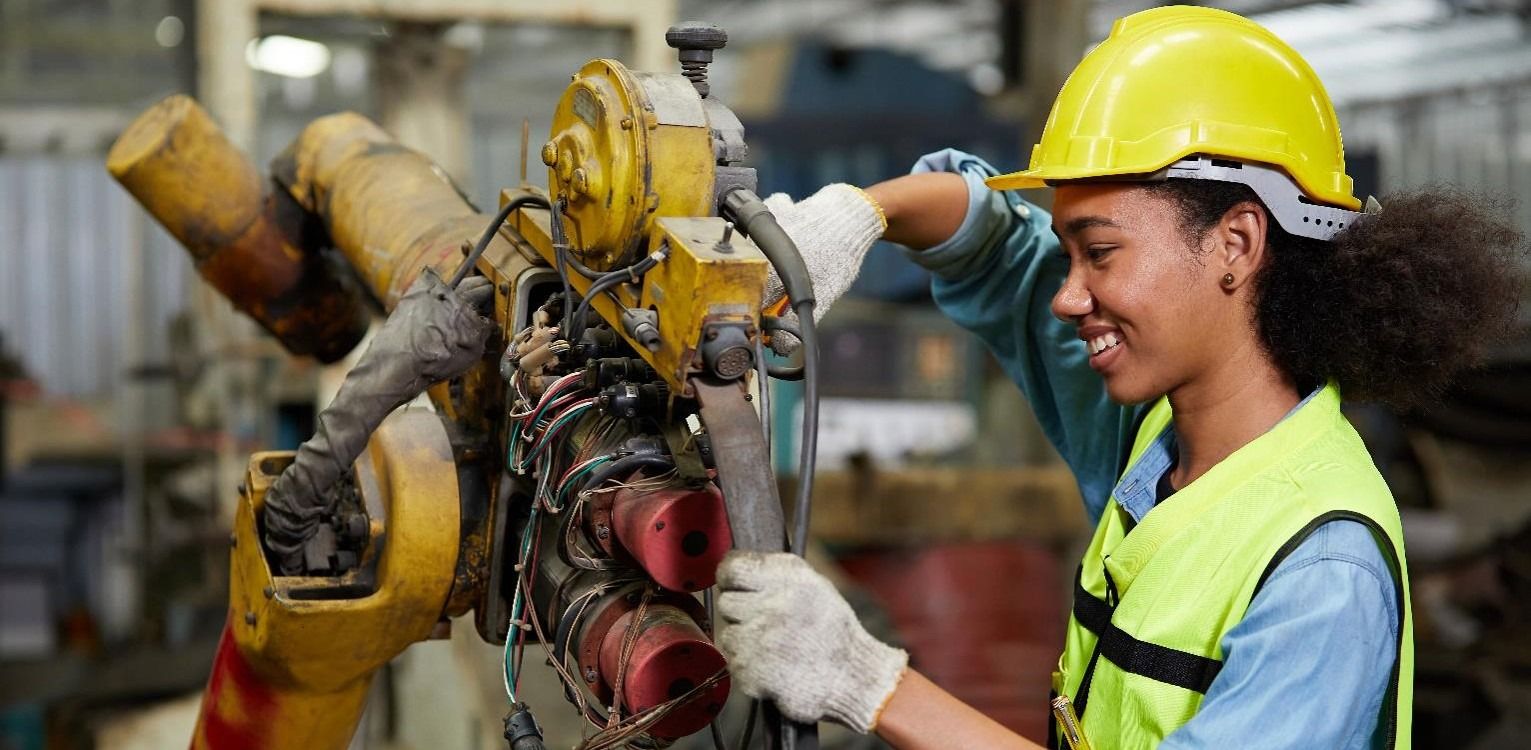
Considering a job as a Service Engineer? This practical and varied role suits people who enjoy working with technology, solving real‑world problems, and supporting customers in fast‑moving environments. Service Engineers often work across different locations and industries, making the role ideal for those who value variety and hands‑on work. In this guide, we’ll break down what the role involves, what employers look for on a Service Engineer CV, and how you can develop a long‑term career in this field.
What is a Service Engineer?
A Service Engineer is responsible for installing, maintaining, repairing, and supporting technical equipment across a wide range of industries, including manufacturing, engineering, facilities management, and technology. Their primary goal is to ensure equipment operates safely, efficiently, and with minimal downtime.
You may work on site at customer locations, from a central workshop, or as part of a mobile field‑based team. The role often involves diagnosing faults, responding to breakdowns, carrying out planned maintenance, and commissioning new or upgraded equipment. Service Engineers are also responsible for completing safety checks, updating service records, and ensuring work meets regulatory and company standards.
In many roles, Service Engineers act as the main technical contact for customers. This means explaining faults clearly, offering guidance on equipment use, and providing reassurance during urgent repairs. Depending on the industry, you may need to travel, be on‑call, or work across multiple locations.
Because equipment and systems can vary widely between employers, adaptability is a key part of the role. You may be required to learn new technologies quickly and apply problem‑solving skills in fast‑paced environments where no two days are the same.


How to Become a Service Engineer
There are several routes into a becoming a Service Engineer, and formal qualifications are not always essential. Many Service Engineers start through apprenticeships or progress from hands‑on technician, fitter, or maintenance roles. Practical experience with machinery, electrical systems, or mechanical equipment is often valued just as highly as classroom learning.

What to Put on a Service Engineer CV
Your Service Engineer CV should highlight qualifications, hands-on experience and technical capabilities such as diagnostics, repair, servicing and knowledge of relevant tools or software. Employers also value evidence of problem‑solving, time management, customer-facing experience and the ability to work independently.
Similar Jobs to Service Engineer
Alternative roles related to Service Engineering typically focus on maintaining, installing, or supporting equipment and systems. Jobs such as Maintenance Engineer, Installation Engineer, and Field Service Technician use similar technical skills but may place greater emphasis on planned maintenance, project‑based installs, or mobile field support depending on the role and industry.
Other Jobs in Engineering
Beyond service‑focused roles, there are a wide range of Engineering Roles that use similar technical skills. Mechanical Engineers and Electrical Engineers often work on the design, development, or improvement of systems and equipment, while Production and Manufacturing Engineers focus on optimising processes and improving efficiency in industrial environments.
These roles may be more site‑based or office‑led than Service Engineering and can involve project work, system design, or process management rather than direct customer support. Exploring related roles can be useful if you’re looking to specialise, move into design or leadership, or apply your technical knowledge in a different way.
Apply for Service Engineer Jobs Near You
Service Engineer roles are available across the UK, particularly in areas with strong manufacturing, engineering, and technology sectors. Larger cities and industrial hubs such as London, Birmingham, Manchester, Bristol, and Glasgow regularly advertise opportunities, though many roles also cover regional or nationwide service areas.
Service Engineer Job Description FAQ
Is a Service Engineer a Good Career Choice?
Yes, it’s a strong option for people who enjoy hands‑on work, technical problem‑solving, and variety in day‑to‑day tasks. Service Engineer roles can offer long‑term stability, opportunities to specialise, and clear progression into senior, specialist, or supervisory positions.
What Skills Does a Service Engineer Need?
Essential skills include diagnostics, repair, installation, communication, customer service, time management, and the ability to work independently. Technical adaptability is also key. Some positions are suitable for those new to the field, while others look for previous experience with specific equipment or industries. Employers often prioritise transferable technical skills and a proactive attitude over long lists of previous job titles.
What Are the Biggest Challenges of Being a Service Engineer?
Challenges include managing urgent breakdowns, travelling between multiple sites, working with varied equipment, and balancing technical and customer-facing duties in fast-paced environments.
What Personal Qualities Make a Great Service Engineer?
Great Service Engineers are practical, analytical, patient, and strong communicators. They thrive under pressure, adapt quickly, and deliver excellent customer service.