Mechanic Jobs
Find Mechanic jobs across automotive, transport, and engineering sectors throughout the UK. From independent garages and dealerships to large fleet operators and manufacturing sites, skilled Mechanics are always in demand. Whether you’re an experienced technician or newly qualified, opportunities are available at every level. With full-time, part-time, and contract roles nationwide, now is an excellent time to explore Mechanic jobs at Blue Arrow and take the next step in your career.
UK Mechanic Jobs
Looking for a hands-on role where technical skill meets problem-solving? Mechanic jobs are an excellent choice for individuals who enjoy diagnosing faults, working with tools, and keeping vehicles and machinery running safely and efficiently. From independent garages to large fleet operators and dealerships, Mechanics are vital across many industries. With a wide range of permanent, temporary, and contract roles available, now is a great time to explore Mechanic jobs across the UK.
Mechanic Opportunities in the UK
Mechanics play a crucial role in keeping the UK moving, from maintaining everyday vehicles to servicing commercial fleets and specialist equipment. With the continued need for road transport, logistics, and engineering services, skilled Mechanics remain in high demand nationwide.
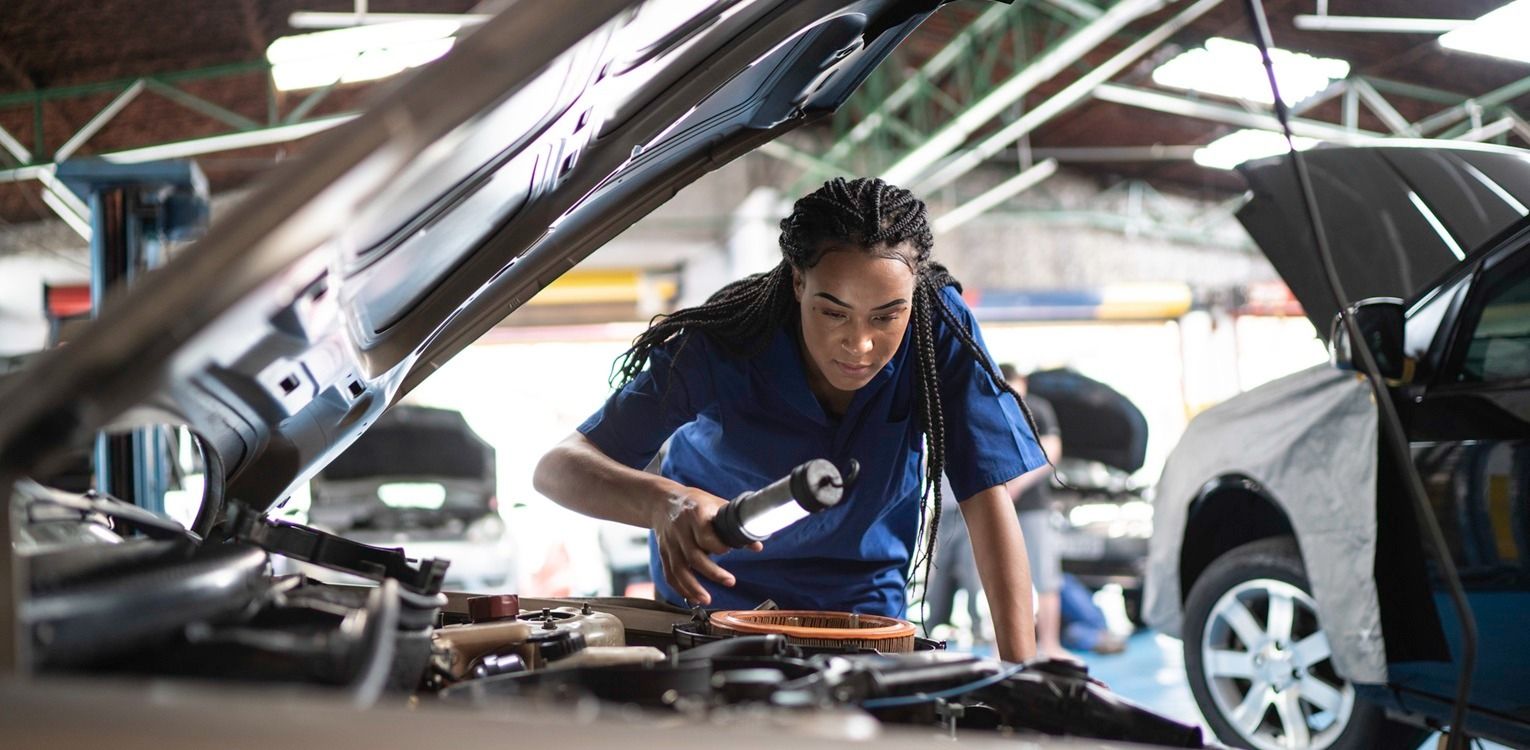
Working as a Mechanic involves far more than routine servicing. You’ll be responsible for identifying faults, carrying out repairs, replacing parts, and ensuring all work meets strict safety standards. Some roles are customer-facing, while others are workshop-based or fleet-based, offering a wide variety of working environments to suit different skills and preferences.
Explore Mechanic Jobs by Sector
While core mechanical skills are transferable, Mechanic jobs can vary depending on the sector and type of equipment you work on. Below are some of the most common sectors recruiting Mechanics in the UK.
Automotive and Vehicle Repair
This is the most common area of employment for Mechanics. Roles include servicing cars and vans, carrying out MOT preparations, brake and clutch replacements, diagnostics, and general repairs. Employers range from independent garages to franchised dealerships and fast-fit centres.
HGV and Fleet Maintenance
Fleet Mechanics maintain and repair large commercial vehicles such as HGVs, buses, and delivery vans. These roles often involve scheduled maintenance, breakdown repairs, and safety inspections to keep vehicles roadworthy and compliant with regulations.
Plant and Agricultural Machinery
Mechanics in this sector work on heavy plant equipment, farming machinery, and industrial vehicles. This may include excavators, tractors, forklifts, and other specialist machinery. These roles often require additional technical knowledge and can involve site-based work.
Manufacturing and Engineering Maintenance
Mechanical Maintenance Engineers and Fitters work within factories and production environments, maintaining and repairing machinery used in manufacturing processes. These jobs often involve shift work and preventative maintenance programmes.
Types of Mechanic Contracts
Mechanic roles are available across a range of employment types, depending on your experience level and availability.
Full-Time Mechanic Jobs
Full-time Mechanic roles provide stable hours, consistent income, and long-term career prospects. These positions often include benefits such as overtime, holiday entitlement, pensions, and manufacturer training programmes.
Part-Time and Flexible Mechanic Work
Part-time roles are ideal for those balancing other commitments or seeking reduced hours. Independent garages and fast-fit centres often offer flexible shifts, including weekends and evenings.
Temporary and Contract Mechanic Roles
Contract and temporary Mechanic jobs are common within fleet maintenance, engineering shutdowns, and seasonal demand peaks. These roles can offer higher hourly rates and are ideal for experienced Mechanics seeking short-term assignments.
Skills and Requirements for Mechanic Jobs
To work as a Mechanic in the UK, employers typically look for a strong combination of practical experience and formal qualifications. Common requirements include:
- NVQ Level 2 or 3 in Vehicle Maintenance and Repair (or equivalent)
- Strong diagnostic and fault-finding skills
- Experience using hand tools and diagnostic equipment
- A good understanding of health and safety regulations
- Attention to detail and problem-solving ability
- A full UK driving licence (often essential for vehicle-based roles)
Some specialist roles may require additional certifications, such as an MOT Tester qualification, HGV experience, or manufacturer-specific training.
Mechanic Jobs FAQ
What Does a Mechanic Do?
A Mechanic inspects, services, diagnoses, and repairs vehicles or machinery. Daily duties may include carrying out routine maintenance, identifying mechanical faults, replacing defective parts, testing systems, and ensuring all work meets safety and industry standards.
Do I Need Formal Qualifications to Be a Mechanic?
Yes. Most employers require at least an NVQ Level 2 or 3 in Vehicle Maintenance and Repair or a time-served apprenticeship. Some entry-level roles may be available for trainee Mechanics with relevant college qualifications.
How Much Do Mechanics Earn?
Mechanic salaries typically range from £24,000 to £35,000 per year, depending on experience, sector, and location. Specialist Mechanics, HGV Technicians, and MOT testers can earn more. Overtime and bonuses may also be available.
Can I Progress as a Mechanic?
Absolutely. Many Mechanics progress into Senior Technician, Workshop Controller, Fleet Manager, or Engineering Supervisor roles. With additional training, it’s also possible to specialise in areas such as electric vehicle (EV) maintenance, diagnostics, or heavy vehicle engineering.