Process Engineer Job Description
Discover what Process Engineers do, the skills you’ll need and explore related engineering roles to help you grow your career.
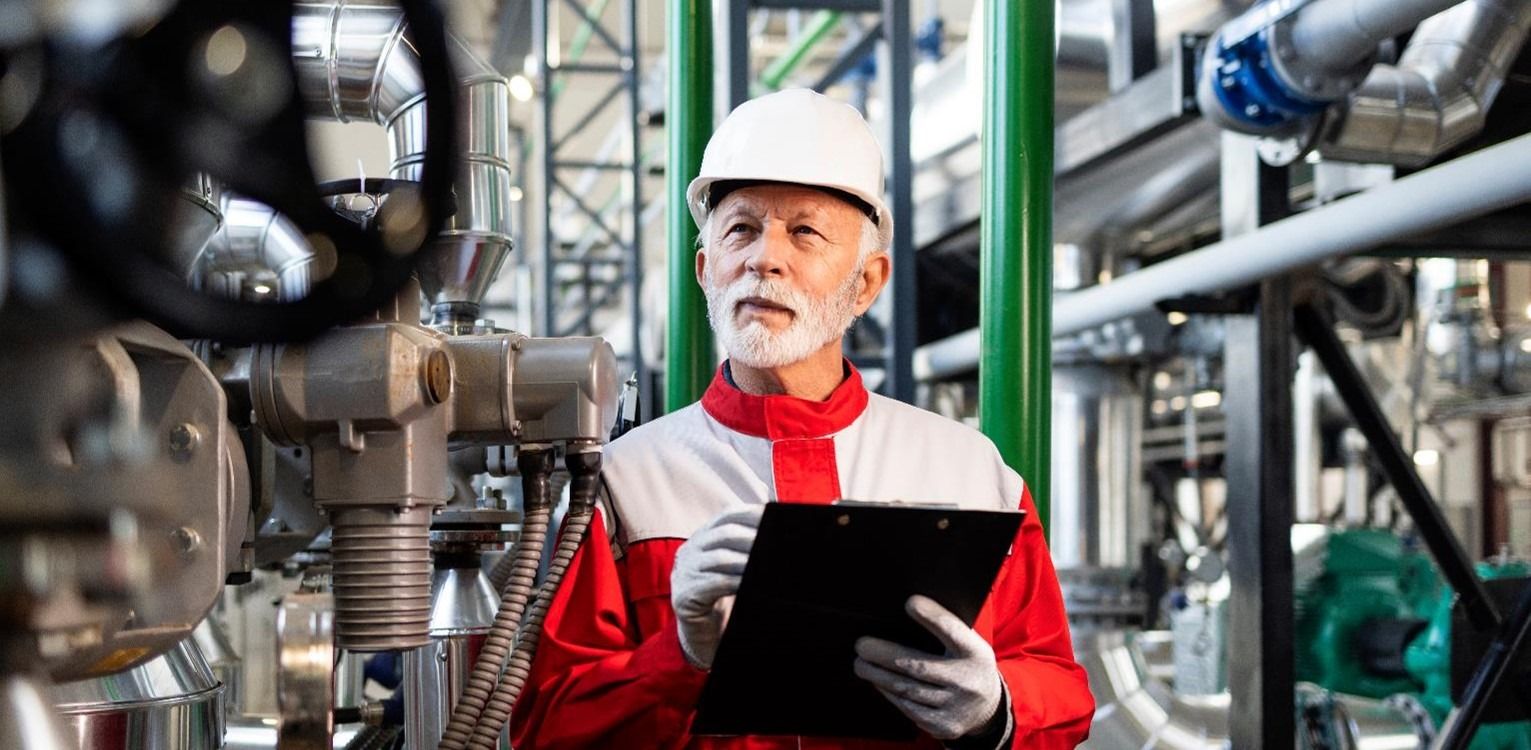
As a Process Engineer, you play a vital role in designing, improving and optimising the systems that allow organisations to operate efficiently, safely, and to consistent quality standards. In this guide, we’ll explore what the role involves, the skills and qualifications you’ll need, and the various engineering career paths you can progress into. You’ll also find advice on building an effective CV and discovering Process Engineer job opportunities near you.
What is a Process Engineer?
A Process Engineer is responsible for designing, implementing, and optimising production processes within manufacturing and industrial environments. Day-to-day, you’ll analyse workflows, identify areas for improvement, and ensure that systems operate efficiently, safely, and in compliance with regulations. Your tasks may include developing process diagrams, troubleshooting production issues, monitoring system performance, and driving continuous improvement initiatives. Process Engineers play a key role in supporting business growth and competitiveness. You’ll be expected to collaborate with design, production, and quality teams, maintain detailed records, and ensure compliance with health, safety, and environmental standards. The role requires a blend of technical knowledge, analytical thinking, and strong communication skills, as you’ll often work across departments and may be involved in training or mentoring junior staff.


How to Become a Process Engineer
To become a Process Engineer, you’ll typically need a degree in Chemical, Mechanical, or Process Engineering. Apprenticeships and vocational training can also provide valuable hands-on experience and a pathway into the profession. Relevant experience in manufacturing or process environments and a proactive approach to learning new technologies will help you stand out.

What to Put on a Process Engineer CV
When applying for this role, use a tailored Engineer CV that highlights your qualifications, experience, and skills. Include your education, any relevant certifications, and experience with process design, optimisation, and project management. Be sure to showcase your problem-solving abilities, teamwork, and any impact you’ve made in previous roles, such as efficiency improvements or cost savings.
Similar Jobs to Process Engineer
If you’re considering alternative roles, there are several jobs with overlapping skills and duties. These roles require a strong understanding of engineering principles and a focus on improving business operations.
Other Jobs in Engineering
There are many other jobs in Engineering that might suit your skills and interests. Related roles include Mechanical Engineer, Electrical Engineer, Chemical Engineer, and Water/Wastewater Engineer. Each position offers unique opportunities to apply your engineering knowledge in different sectors, from pharmaceuticals and food production to energy and chemicals. Senior engineers may also move into management, consultancy, or training roles, supporting the next generation of engineers.
Apply for Process Engineer Jobs Near You
Process Engineer roles are available across the UK, with high demand in areas such as London, Warrington, Plymouth, Manchester, Birmingham, and Leeds, as well as regions with strong chemical, water, and manufacturing industries.
Process Engineer Job Description FAQ
Is a Process Engineer a Good Career Choice?
Yes, Process Engineering is an excellent career choice for those who enjoy problem-solving, innovation, and working in dynamic environments. The role offers strong progression opportunities and the chance to make a tangible impact on business performance.
What Skills Does a Process Engineer Need?
A Process Engineer needs strong analytical and technical skills, with a solid understanding of engineering principles, process optimisation, and quality improvement methods. Experience with data analysis, continuous improvement, and project management is also valuable. Communication, teamwork, and adaptability are essential for working across departments, solving problems, and supporting operational change.
What Are the Biggest Challenges of Being a Process Engineer?
The biggest challenges include keeping up with technological advancements, managing complex projects, and balancing efficiency with quality and safety. You’ll need to be proactive, resilient, and able to solve problems under pressure.
What Personal Qualities Make a Great Process Engineer?
To be great Process Engineer, you will need have:
- Strong communication skills
- A collaborative mindset
- The ability to adapt to changing circumstances and drive continuous improvement.