Manufacturing Engineer Job Description
Explore the role of a Manufacturing Engineer, the skills you’ll need, and discover similar engineering paths to help shape your future career.
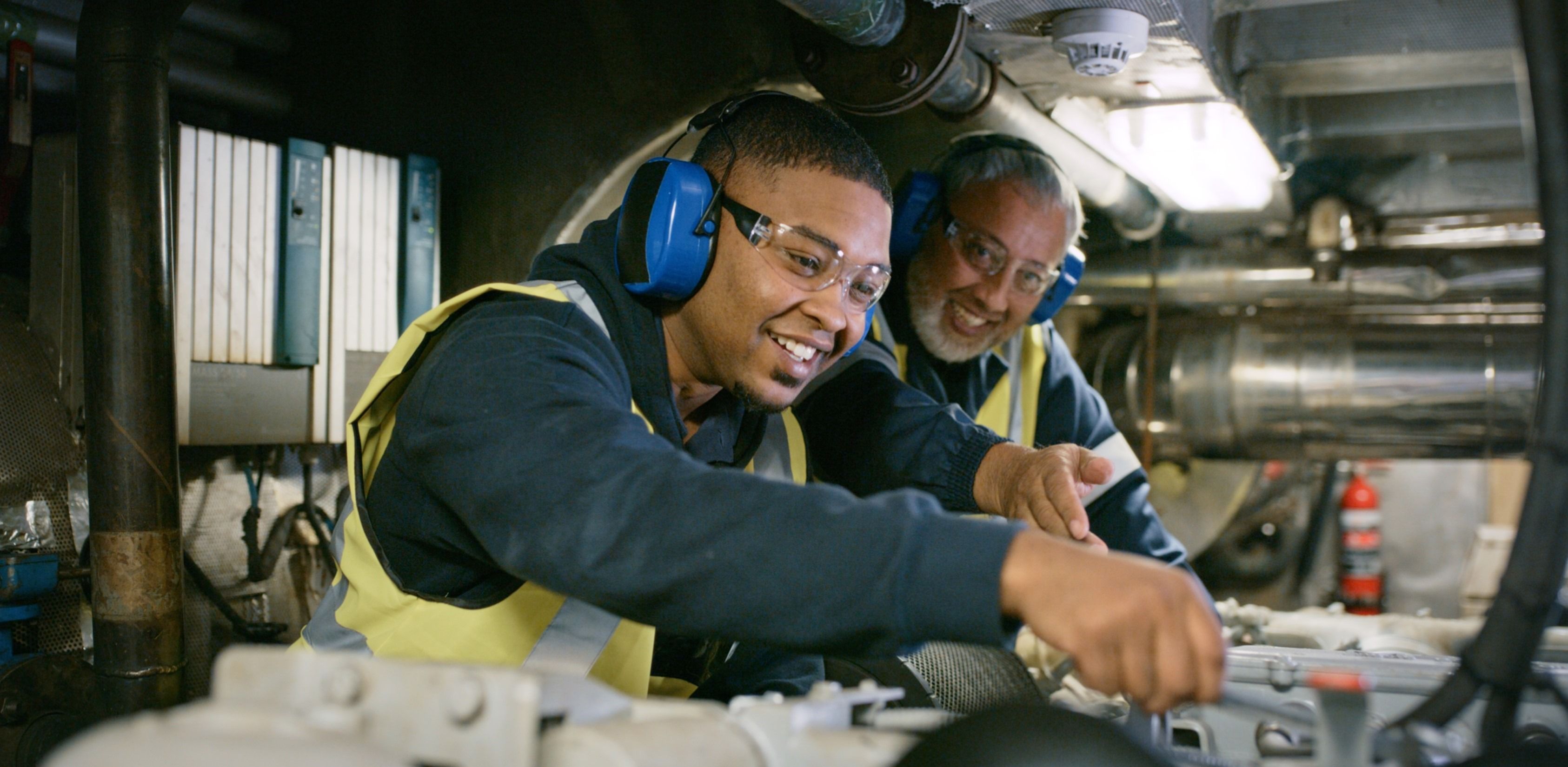
As a Manufacturing Engineer, you play a key role in designing, improving, and maintaining the processes that allow organisations to produce goods efficiently and safely. Here we will explore what the role involves, the skills and qualifications you’ll need, and the different engineering career paths available. You’ll also find advice on creating an effective CV, and discovering job opportunities.
What is a Manufacturing Engineer?
A Manufacturing Engineer works at the heart of production, focusing on how goods are designed, assembled, and delivered. Their core responsibility is to develop and optimise manufacturing processes so that products can be made efficiently, consistently, and to the highest quality standards. This involves analysing current workflows, identifying improvements, resolving production problems, and working closely with teams across design, quality, and operations.
Day to day, you might be improving tooling and equipment capability, developing standard operating procedures, and supporting new product introduction (NPI) projects. Manufacturing Engineers often use lean manufacturing methods and continuous improvement techniques to reduce waste, improve productivity, and enhance reliability. You may also work on process validation, quality checks, root‑cause investigations, and implementing new technology or automation.
The role blends hands‑on problem‑solving with analytical thinking, and is a great fit for those who enjoy technical challenges, collaboration, and seeing practical results from their work. Whether you work in aerospace, automotive, electronics, food production, or general manufacturing, the skills you develop are highly transferable across the wider engineering sector.
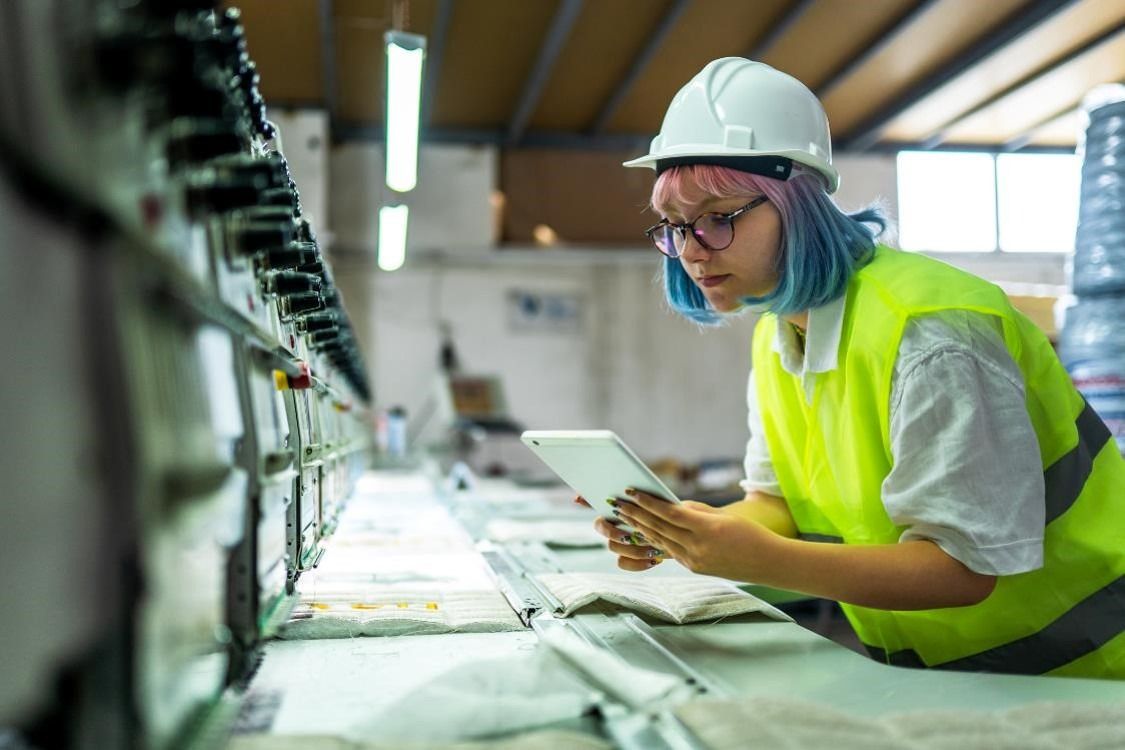
How to Become a Manufacturing Engineer
To become a Manufacturing Engineer, many people start by completing an HNC, HND, or degree in Mechanical, Manufacturing, or Industrial Engineering, while others progress through apprenticeships or vocational pathways that offer hands‑on experience. Building skills in process improvement, CAD tools, and engineering problem‑solving will strengthen your prospects.

What to Put on a Manufacturing Engineer CV
A strong Manufacturing Engineer CV should highlight your technical qualifications, engineering experience, and practical achievements. Include relevant skills such as process optimisation, lean manufacturing, continuous improvement, tooling, CAD software, problem‑solving, and project support. Show examples of how you’ve improved efficiency, solved issues, or supported new product development.
Similar Jobs to Manufacturing Engineer
If you’re interested in related career paths, there are several roles that share similar skills, problem‑solving approaches, and engineering principles. These include jobs focused on improving processes, ensuring quality, maintaining equipment, or supporting product development. Exploring these alternatives can help you find the engineering path that best suits your strengths and interests.
Other Jobs in Engineering
There are many other jobs in Engineering that might suit your skills and interests. Manufacturing Engineers often move into roles such as Process Engineer, Production Engineer, Quality Engineer, or Industrial Engineer, where the focus remains on improving systems and delivering efficient operations. You may also consider careers such as Mechanical Engineer, Electrical Engineer, Maintenance Engineer, or Project Engineer, each offering varied opportunities across sectors like aerospace, automotive, food manufacturing, electronics, and pharmaceuticals.
Engineering roles can be highly versatile, allowing you to specialise, broaden your expertise, or progress into leadership, continuous improvement, or technical project management. These roles all benefit from strong analytical skills, hands‑on problem‑solving, and an understanding of how products and systems are designed and built.
Apply for Manufacturing Engineer Jobs Near You
Manufacturing Engineer roles are available across the UK, with high demand in urban centres such as London, Birmingham, and Manchester, as well as in regions with strong manufacturing industries Like Derby and Bristol.
Manufacturing Engineer Job Description FAQ
Is a Manufacturing Engineer a Good Career Choice?
Yes, Manufacturing Engineering is an excellent career choice for those who enjoy problem-solving, innovation, and working in dynamic environments. The role offers strong progression opportunities and the chance to make a tangible impact on business performance.
What Skills Does a Manufacturing Engineer Need?
Some skills that can help you succeed as a Manufacturing Engineer include:
- Manufacturing processes and production workflows
- Continuous improvement & lean manufacturing
- Tooling, machining, and process optimisation
- New product development (NPD) / Design for Manufacturing (DFM)
- Project management and process improvement
What Are the Biggest Challenges of Being a Manufacturing Engineer?
You may need to balance efficiency, cost, quality, and safety while working to tight deadlines. Introducing new technology, solving complex production issues, and managing competing priorities can also be challenging, especially in fast‑paced environments.
What Personal Qualities Make a Great Manufacturing Engineer?
Successful Manufacturing Engineers are analytical, organised, and proactive. Curiosity, creativity, and attention to detail are important, along with the ability to collaborate, communicate clearly, and stay calm when solving problems on the production floor.