Electrical Engineer Job Description
An overview of the Electrical Engineer role, including key duties, essential skills, and the qualifications you’ll need to build a successful engineering career.
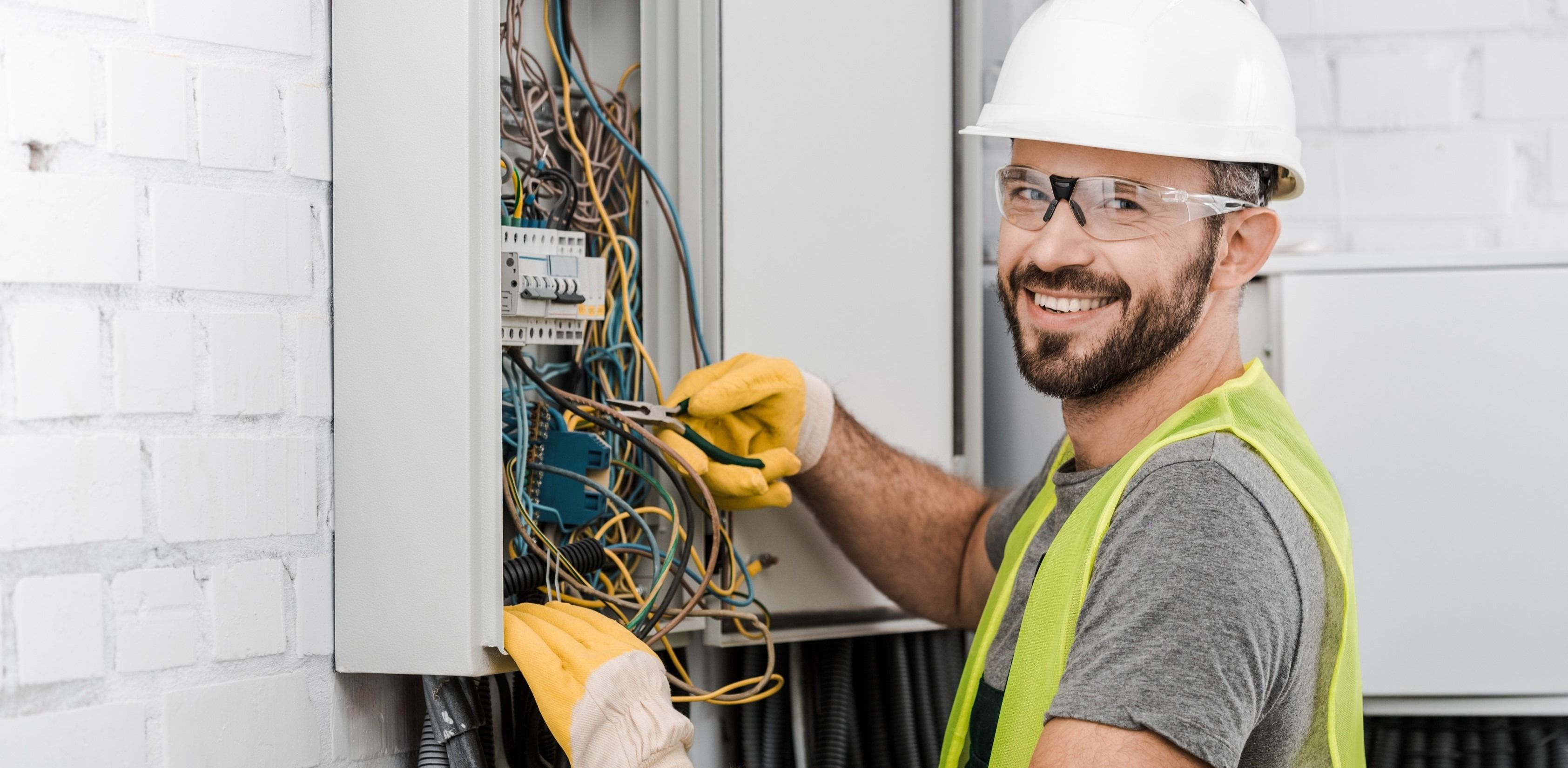
Considering a job as an Electrical Engineer? This role brings together critical thinking and practical knowledge to implement, design, and maintain complex electrical systems, circuits, and equipment. Here, we will explore what an Electrical Engineer is, what you will need to put on your CV when applying, and how you can land a role in this specialist area.
What is an Electrical Engineer?
An Electrical Engineer is someone who maintains, designs, implements, and repairs electrical equipment, systems, and devices for a company. You will be in charge of managing projects, including maintaining systems and replacing existing equipment, among other responsibilities. This requires an analytical mind and a strong understanding of electrical engineering principles.
Your day-to-day will involve designing and developing systems and equipment, reporting on performance, overseeing repairs, and managing update schedules, as well as optimising efficiency through continual innovation. You will also need to perform maintenance checks regularly to keep equipment working efficiently. As an Electrical Engineer, your day-to-day will also involve managing projects, including reporting on timelines and progression, as well as managing budgets.
To be a successful Electrical Engineer, you will need some experience and education in engineering principles and managing electrical currents. It is essential that you have the safety competencies for this role, ensuring all work meets the BS 7671 for electrical safety. You can gain this through a variety of competency-based qualifications (including a Level 3 National Vocational Qualification (NVQ)) and, often, an Electrotechnical Certification Scheme (ECS) card. This ensures that you know how to manage, test, inspect, and repair electrics to the legal standard. This role also requires strong written and verbal communication, as well as attention to detail, to ensure reporting and compliance is kept up to standard. This role is perfect for anyone looking to make a difference to operational efficiency while putting practical knowledge to use.

How to Become an Electrical Engineer
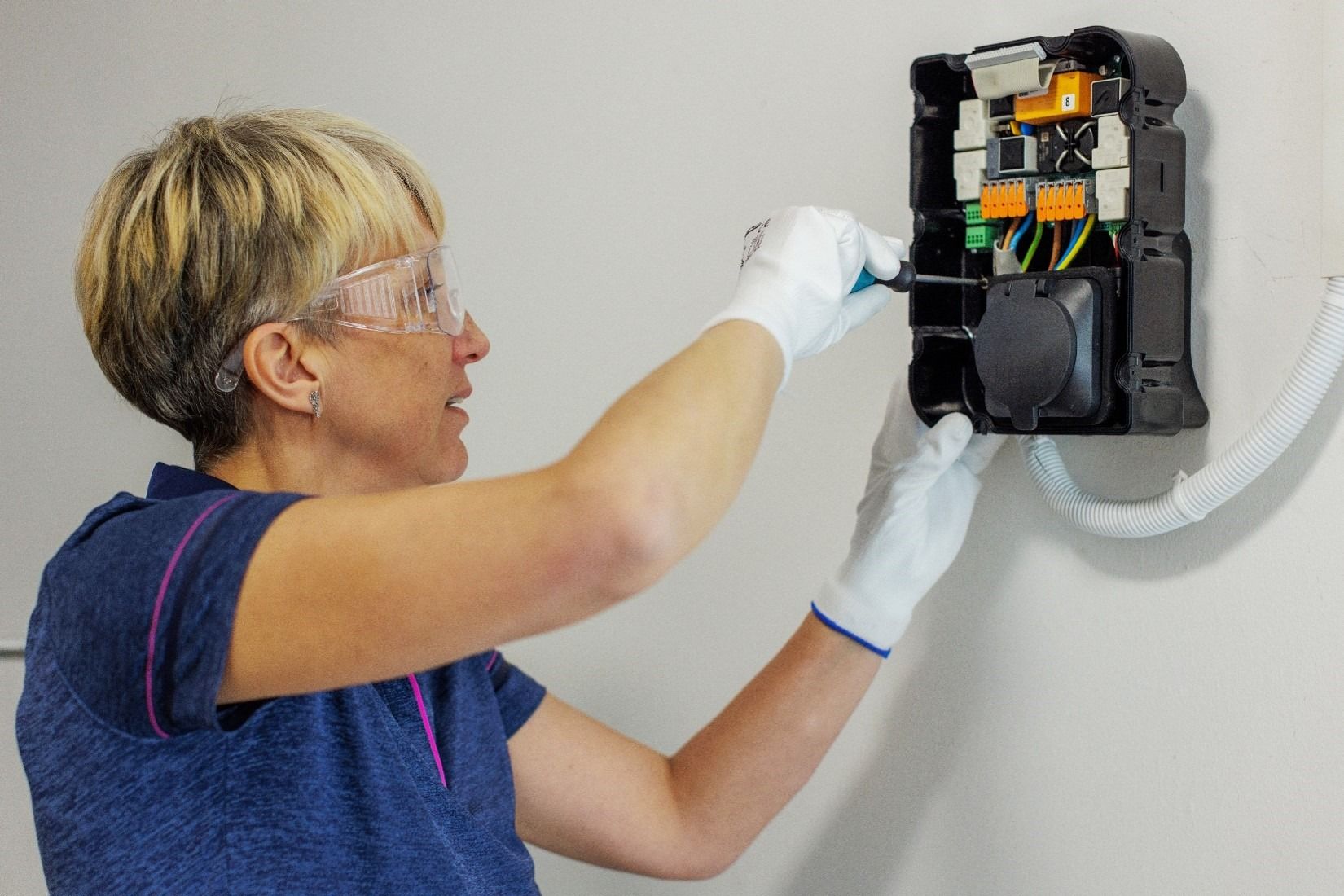
To become an Electrical Engineer, you can access education or work experience through a variety of routes. While some Electrical Engineers start out by gaining a degree in engineering, you can also access this work through apprenticeship schemes and other vocational training opportunities. This offers an excellent opportunity for anyone with different backgrounds and experiences to access careers in engineering.

What to Put on an Electrical Engineer CV
When applying for an Electrical Engineer job, you will want to make sure that your CV is tailored to the role. An Engineering CV should include the education and qualifications you have for the role, including any relevant safety licenses. You should also include any transferable skills useful for the role, including strong communication, multi-tasking, and organisation.
Similar Jobs to Electrical Engineer
Whether you’re expanding your career prospects or developing multi-disciplined skillsets, there are a variety of similar jobs to Electrical Engineers. Some similar jobs to Electrical Engineers include Mechanical Engineer, Control Engineer, Process Engineer, or Maintenance Engineer. These roles require strong understanding of engineering principles, designed to improve efficiency and performance for production, manufacturing, and operations.
Other Jobs in Engineering
Whether you’re looking to become a multi-skilled engineer or expand your opportunities within a specific sector, there are plenty of other roles in Engineering that could match your skills and experience. Some other jobs in Engineering include Manufacturing Engineer, Site Engineer, or Civil Engineer. Each of these positions require a strong understanding of engineering and offer unique opportunities into different sectors. Other jobs in Engineering can also include Project Manager or management positions, using your expertise and experience to support wider teams or manage budgets and planning. There are a variety of progression routes within engineering roles, whether you’re exploring more disciplines or using your experience to train the next generation of Engineers.
Apply for Electric Engineering Jobs Near You
Electric Engineering roles are available around the UK, making them the perfect career choice for anyone who likes applying logical thinking with practical application. Whether you’re looking to start a new career or explore your options in a new location, there you can apply for Electric Engineering jobs near you. Some top locations for Electrical Engineers include London, Bristol, Manchester and Glasgow.
Welder Job Description FAQ
Is a Welder a Good Career Choice?
As there is an ever-increasing demand for skilled tradespeople, being a Welder can be a good career choice for those looking for good earning potential, job security, and the chance to develop their welding skills.
What Skills Does a Welder Need?
To be a successful Welder, you must have a combination of soft skills, technical skills, and physical abilities, such as an understanding of welding equipment, manual dexterity, safety awareness, hand-eye coordination, and the ability to follow blueprints.
What Are the Biggest Challenges of Being a Welder?
Some of the biggest challenges a Welder can face include how physically demanding the job can be. Welding may also need to be performed in hazardous environments, and a Welder must constantly learn and refine their welding skills.
What Personal Qualities Make a Great Welder?
There are a few technical and personal qualities you will need to be a great welder. These include equipment proficiency, physical stamina and strength, problem-solving skills, adaptability, and teamwork and communication.