View All Job Descriptions

Aeronautical Engineer Job Description

Learn what an Aeronautical Engineer does, the tools and skills employers look for and the routes into aerospace and defence engineering roles across the UK.

Thinking about a career as an Aeronautical Engineer? This role combines analytical problem‑solving with hands‑on engineering to design, test, and improve aircraft and their systems. Here, we’ll walk through what an Aeronautical Engineer does day‑to‑day, how to become one, what to include on your CV, and some related roles worth exploring across aerospace, defence, and advanced engineering.

What Is an Aeronautical Engineer?

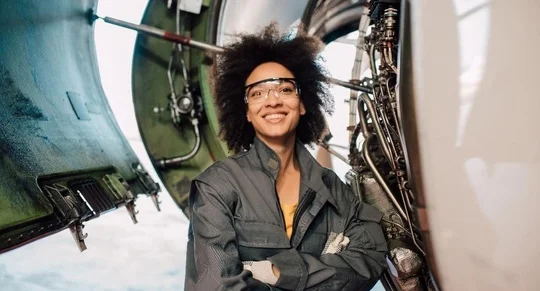
An Aeronautical Engineer designs, analyses, tests, and supports the manufacture and maintenance of aircraft and associated systems. You will be a core component in the creation of military and government aircraft. Working across fixed‑wing and rotary platforms, you’ll help ensure aircraft are safe, efficient, airworthy, and able to perform as intended through their service life.

Day‑to‑day, you might build models and simulations, run structural calculations, and analyse aerodynamic performance to validate design choices. You’ll collaborate with multidisciplinary teams across structures, propulsion, flight physics, avionics, manufacturing, and maintenance to turn concepts into certifiable designs. Depending on your specialism, you may focus on aerodynamics, materials and structures, propulsion, flight test, systems integration, or continuous airworthiness and modifications.

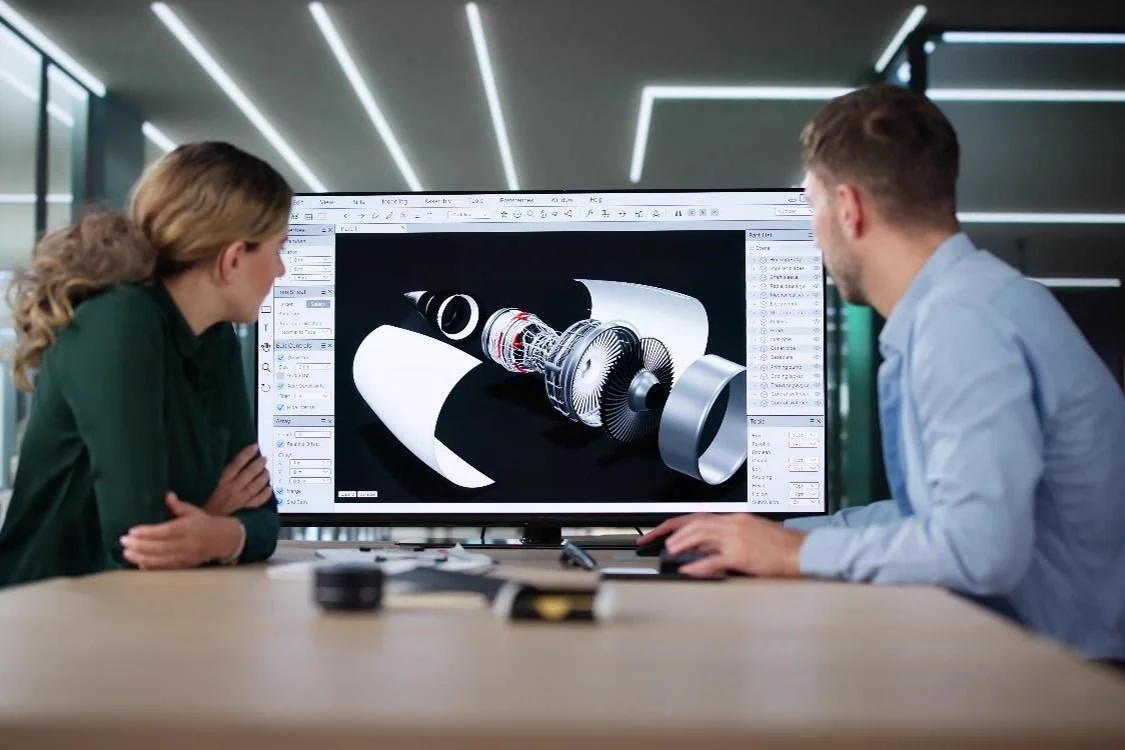
Your work could include developing Computer-Aided Design (CAD) models and drawings, running Finite Element Analysis/ Computational Fluid Dynamics (FEA/CFD) analyses, writing test plans, analysing test data, and authoring documentation that supports certification and safety cases. This role suits people who enjoy using data and engineering principles to solve complex problems, and who can comfortably communicate with a variety of teams and stakeholders.

Similar Jobs to Aeronautical Engineer

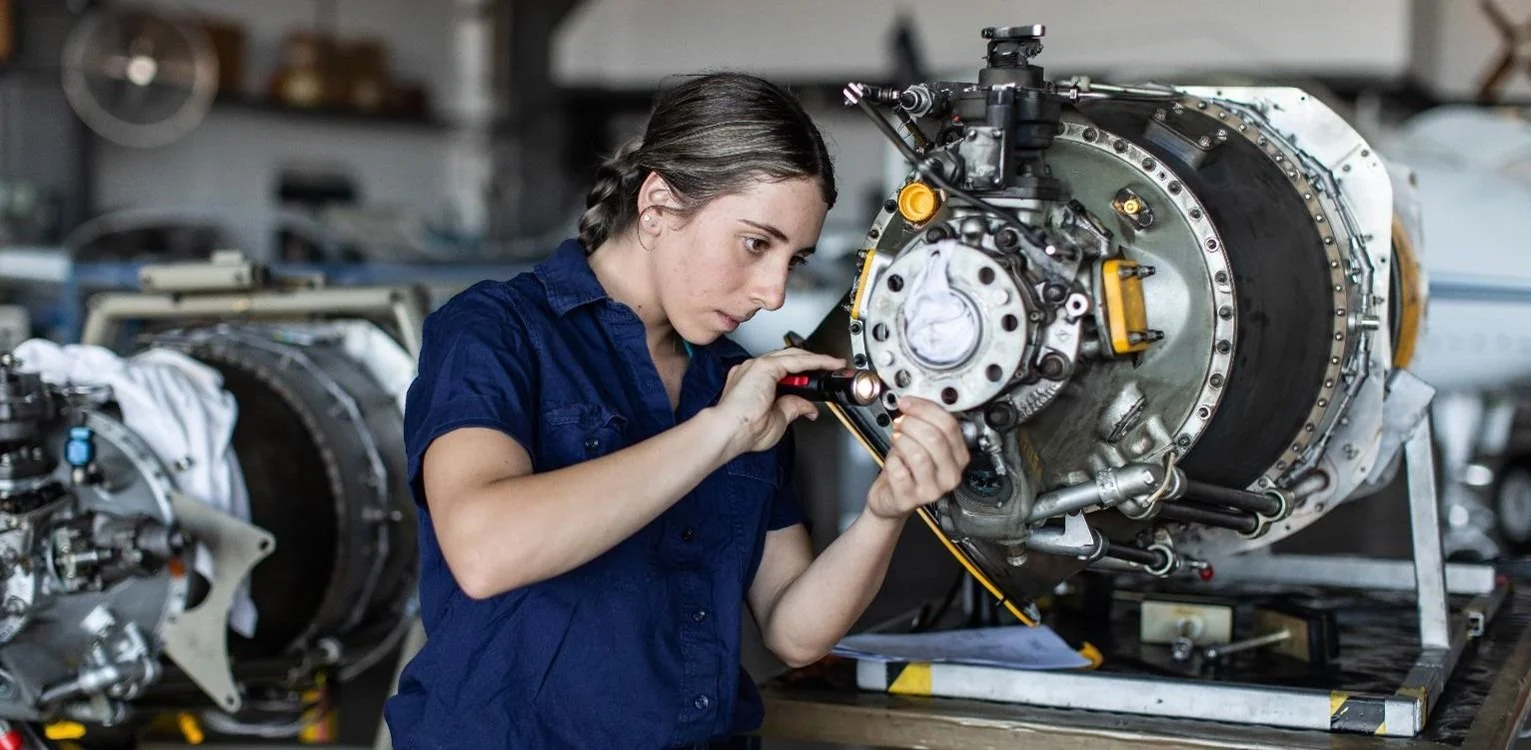
Aeronautical Engineers develop skills that translate across aerospace, defence, and advanced manufacturing. Some similar job roles you might consider include B1 Engineer, B2 Engineer, or Aerospace Systems Engineer. These roles require strong engineering skills to either design and repair aircrafts, engines, or systems used within the aerospace and defence sectors.

Other Jobs in Aerospace & Defence Engineering

Whether you’re planning your career progression or wanting to expand your skillset, there are many other jobs available for engineering professionals in the aerospace and defence sectors. Related roles include Aerospace Design Engineer, Stress/Structures Engineer, Aerodynamics Engineer, Propulsion Engineer, Systems Engineer, Flight Test Engineer, and Airworthiness Engineer.

With experience, many engineers move into specialist or managerial positions. This can include Project Engineering, Technical Lead, Engineering Management, or safety and reliability roles. For those who enjoy hands‑on environments, pathways into Maintenance, Repair, and Operations (MRO) engineering support, modification engineering, or field support can be attractive. If you enjoy data management and modelling, roles in simulation, performance, or digital engineering are also strong career options.

Apply for Aeronautical Engineer Jobs Near You

Aeronautical Engineer roles are available across the UK with aircraft manufacturers, defence primes, research organisations, and government/defence establishments. Opportunities range from design offices and analysis teams to test facilities and in‑service support environments. Some core locations of military and defence-based aerospace roles include Bournemouth, Oxford, and London, but opportunities are available across military bases around the UK. Hybrid and on‑site roles are common depending on project, tooling, and security needs.

Search our latest jobs

Aeronautical Engineer Job Description FAQ

Is an Aeronautical Engineer a Good Career Choice?

Yes, an Aeronautical Engineer career is a good choice as it offers varied, intellectually rewarding work with strong long‑term demand across civil aerospace, defence, space, and advanced air mobility. It also provides clear progression into specialist or leadership roles.

What Skills Does an Aeronautical Engineer Need?

Core skills you will need include CAD, structural and aerodynamic analysis, problem‑solving, data interpretation, and clear technical communication. As you progress, systems thinking, testing know‑how, and configuration/change control become increasingly important.

What Are the Biggest Challenges of Being an Aeronautical Engineer?

Balancing performance, safety, cost, manufacturability, and timelines can be challenging. You’ll often work with complex requirements, evolving designs, and rigorous verification and documentation needs.

What Personal Qualities Make a Great Aeronautical Engineer?

Great Aeronautical Engineers are analytical, meticulous, and collaborative. They communicate clearly, stay curious, and enjoy turning complex constraints into practical, safe, and efficient designs.