
View All Career Progression Articles

Warehouse Career Prospects

Thinking about a career in warehousing? The industry offers excellent prospects, from entry-level roles to management positions, with opportunities for growth and stability. In this guide, we’ll explore the skills you need, the roles available and how you can progress in a warehouse career.

What Are Warehouse Careers?

Warehouse careers involve working in environments where goods are received, stored and dispatched. These roles are essential to supply chains across industries such as retail, manufacturing and logistics. From hands-on operational roles to administrative and leadership positions, warehouse careers offer a wide range of opportunities suited to different skill sets and experience levels.

Common Warehouse Roles

Forklift Truck Drivers

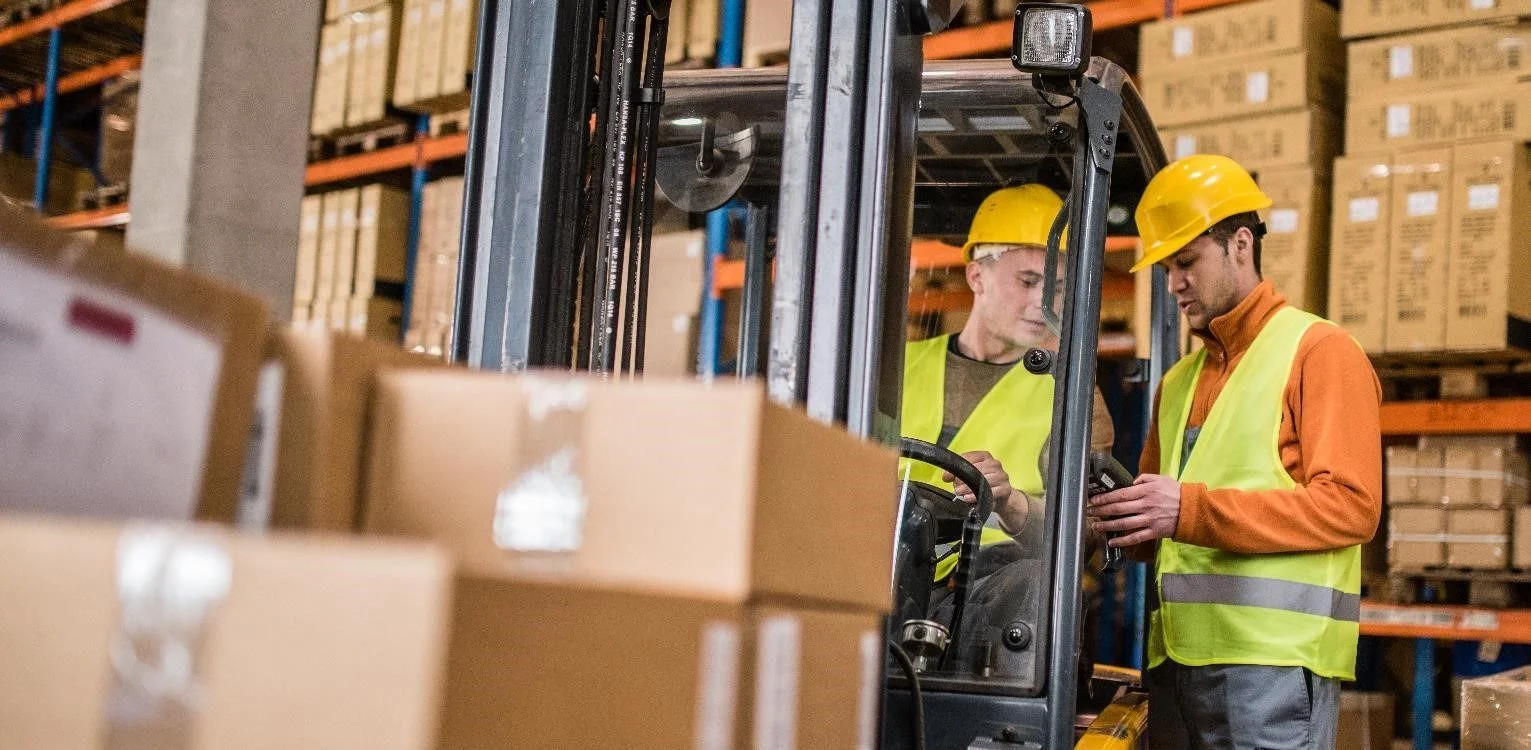
This role is generally known as a material handler, Forklift Truck Driver or Forklift Driver. The job duties will include using motorised equipment and hand tools to move manufactured goods and materials to and from storage or production areas, loading docks, delivery vehicles.

View our guide on how to become a Forklift Driver.

Warehouse Operatives / Picker and Packers

This role is also known as 'warehouse worker', 'warehouse operator', 'warehouse picker' and 'picker packer'.

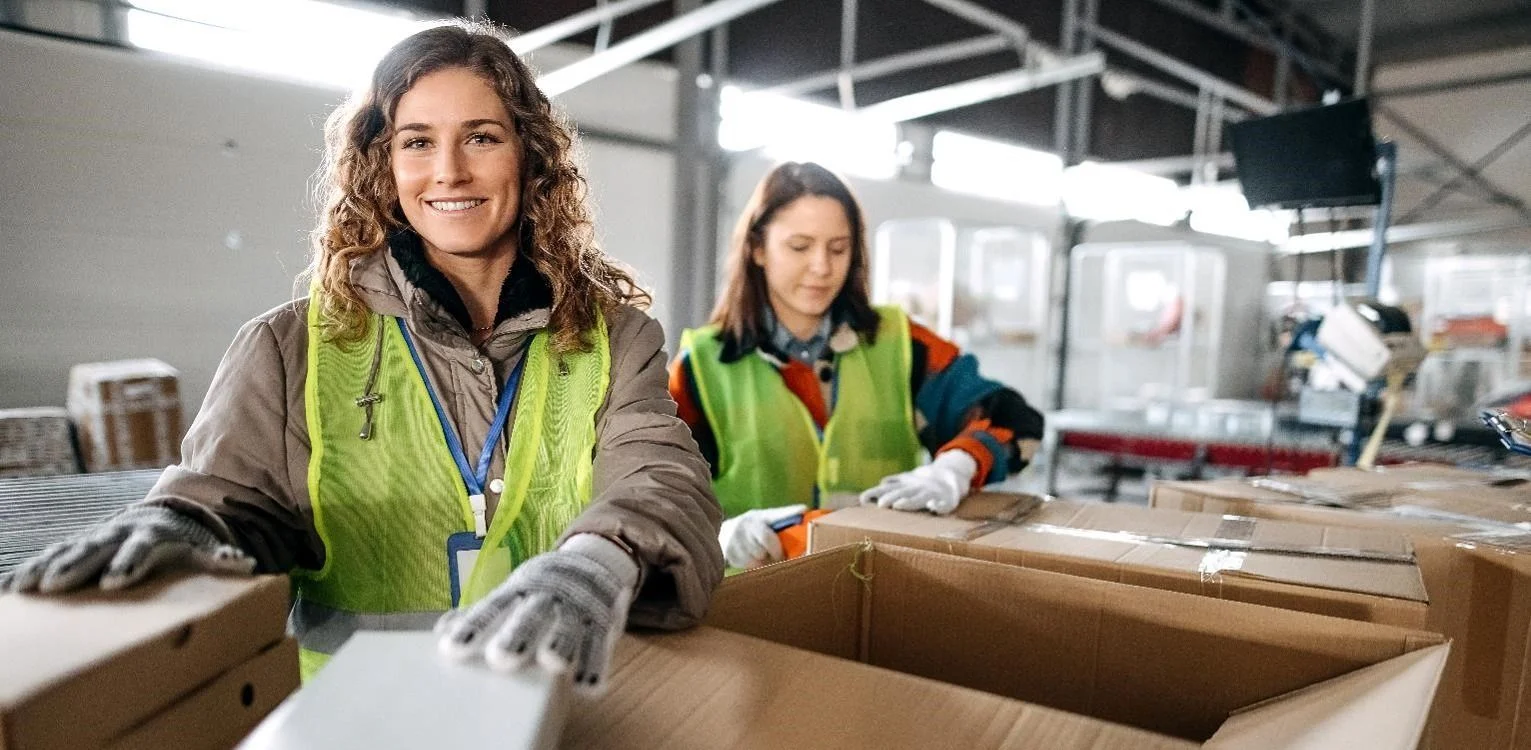
The job duties required of a warehouse worker will vary based on the employer and the position. In general, warehouse work includes receiving and processing new shipments of stock and raw materials and storing and distributing stock and materials, picking, packing, and shipping orders.

View our guide on how to become a Warehouse Operative.

Warehouse Administrators

Warehouse Administrators are also known as Stock Controllers. They oversee the management of stock. This includes receiving, issuing and dispatching stock, and handling communication between transport companies and warehouse customers. Warehouse Administrators are responsible for the data entry and inventory of all stock.

Quality Assurance Inspectors

A Quality Assurance Inspector in a warehouse check all goods are of the highest standards and that they are suitable for shipping. They coordinate with the warehouse personnel to place goods on quality hold or release as needed.

View our guide on how to become a Quality Inspector.

Warehouse Team Leaders

A Warehouse Team Leader is also known as a Shift Supervisor. They make sure the warehouse environment is safe and productive during their shift. They oversee a team of warehouse staff and complete functions such as ensuring areas of the warehouse are clean and free from hazards, keeping track of inventory, and authorising overtime and holidays. A Warehouse Team Leader may work a variety of shifts and generally works full time.

Warehouse Managers

Warehouse Managers are responsible for organising the safe and efficient receipt, storage and dispatch of warehoused goods. Generally working a variety of shifts as needed based on the operating hours of the warehouse, a Warehouse Manager usually works full time, in many cases alongside other Warehouse Managers working opposing shift patterns.

Warehouse Manager Skills

Management is one of the highest positions you can achieve within a warehouse environment. But experience and knowledge aren't all that you need to get there. Our guide breaks down the key skills you need to have in order to progress to a Warehouse Manager role.

Career Progression in Warehouse Roles

Warehouse careers offer clear progression pathways, allowing individuals to move from entry-level roles into supervisory and management positions. With experience, training and the development of key skills, employees can take on more responsibility and increase their earning potential.

Entry-Level to Management Path

Many people start their warehouse career in entry-level roles such as Warehouse Operative or Picker and Packer. These positions provide hands-on experience and a solid understanding of warehouse processes.

With time and proven reliability, employees may progress into more specialised roles such as Forklift Truck Driver or Warehouse Administrator. From there, opportunities open up to move into supervisory positions like Warehouse Team Leader, where individuals manage teams and oversee daily operations.

The next step is typically a Warehouse Manager role, where responsibilities include strategic planning, budgeting and ensuring the overall efficiency of warehouse operations. Some professionals may continue to progress into senior logistics or supply chain management roles.

Skills Needed to Progress

To progress in a warehouse career, a combination of practical and soft skills is essential. Key skills include strong organisational abilities, attention to detail and the ability to work efficiently in a fast-paced environment.

Communication and teamwork are also important, especially for those moving into leadership roles. Problem-solving skills help employees handle challenges such as delays or stock discrepancies.

As roles become more advanced, leadership skills, decision-making and an understanding of warehouse management systems (WMS) become increasingly important. Developing these skills through on-the-job experience or training can support long-term career growth.

Warehouse Job Demand and What the Future Looks Like

The warehouse and logistics sector continues to grow, driven by changes in consumer behaviour and advances in technology. This makes warehousing a stable career choice with strong long-term prospects.

Growth of Logistics

The rise of e-commerce has significantly increased demand for warehouse workers. Businesses require efficient storage and distribution systems to meet customer expectations for fast delivery.

As a result, new warehouses and distribution centres are being developed, creating more job opportunities across a range of roles. This growth is expected to continue, making warehousing an attractive option for those seeking job security.

Impact of Automation

Automation is transforming warehouse operations, with technologies such as robotics, automated picking systems and inventory tracking becoming more common.

While automation may change the nature of some roles, it also creates new opportunities. Workers may need to learn how to operate and maintain automated systems, increasing the demand for technical skills.

Overall, automation is expected to enhance efficiency rather than replace jobs entirely, with many roles evolving rather than disappearing.

How to Start a Career in Warehousing

Starting a career in warehousing is accessible, with many roles requiring minimal formal qualifications. However, gaining the right experience and certifications can improve your chances of securing a job and progressing in the industry.

Entry Requirements

Most entry-level warehouse roles do not require formal qualifications. Employers typically look for candidates who are reliable, physically fit and able to work as part of a team.

Basic numeracy and literacy skills are often required, along with a willingness to learn. Some roles may involve shift work, so flexibility can also be an advantage.

Certifications

While not always required, certain certifications can improve employability. For example, a forklift licence is essential for Forklift Truck Driver roles and can make candidates more competitive.

Health and safety training is also valuable, as it ensures workers understand how to operate safely within a warehouse environment.

Gaining Experience

Experience can be gained through temporary or entry-level roles, which are widely available in the warehousing sector. Many employers offer on-the-job training, allowing workers to develop their skills while working.

Taking on additional responsibilities and demonstrating a strong work ethic can help individuals progress more quickly. Over time, this experience can lead to more advanced roles and career opportunities within the industry.

Working in Warehouses with a Disability

A disability, be it seen or unseen, mental or physical, shouldn't deter you from applying for warehouse work. In fact, the industry is a key employer for people with disabilities, with plenty of reasonable adjustments able to be made to keep warehouses as inclusive as possible. Find out all you need to know in our handy guide.

Browse the Latest Warehouse Vacancies