How to Become an Electrical Engineer

Overview of the Electrical Engineer Role
Electrical Engineers are a crucial part of any business. As an Electrical Engineer, you will oversee designing, developing, testing and troubleshooting electrical systems and equipment. This can include innovating areas including robotics, energy, telecommunications and automotive systems. This requires an in-depth knowledge of electrical safety principles and engineering theory to maintain and improve electrical systems and equipment. With a variety of industries to work for, there are various opportunities for Electrical Engineers to expand their skillsets and exploring new careers.
There are also other construction and engineering jobs to choose from on our site.
Electrical Engineer Dress Code
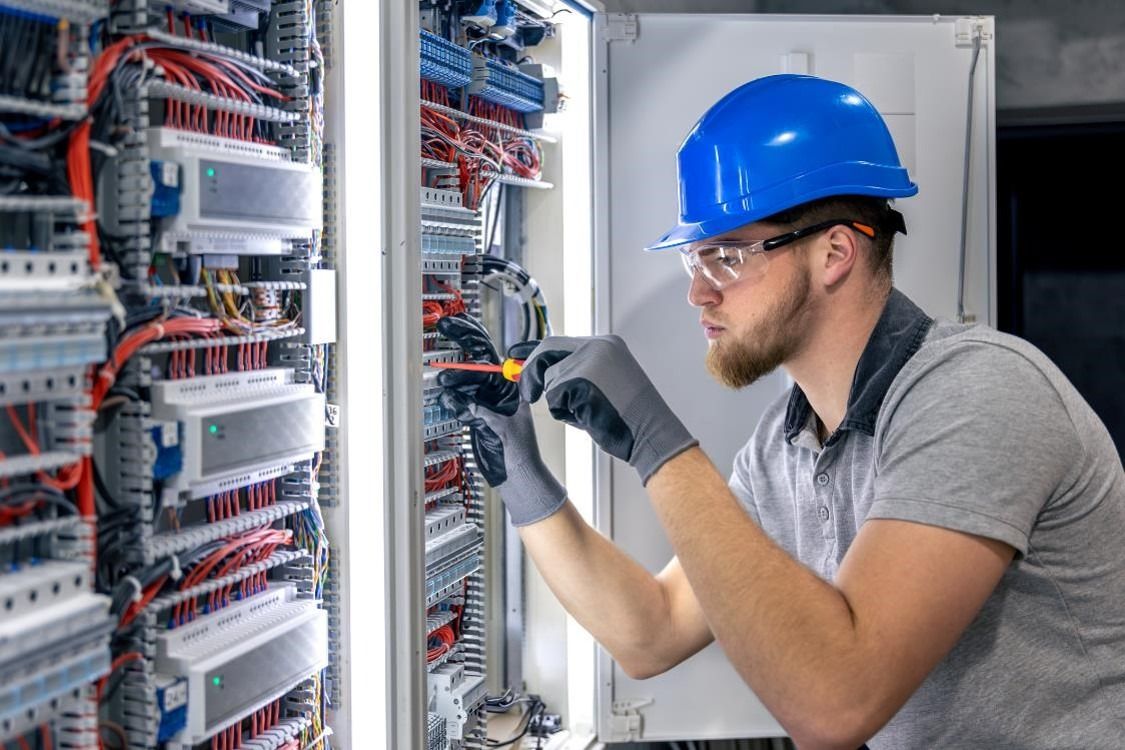
The dress code for Electrical Engineers varies depending on your environment. You might be required to wear business casual clothing for client meetings and in-office work, including shirts and trousers. However, field work would require safe and sensible clothing including personal protective equipment (PPE).
Electrical Engineer Job Responsibilities
As an Electrical Engineer, you will be required to maintain and improve electrical systems and equipment. This will include designing, developing, and troubleshooting complex electrical issues. Find out more about your duties as an Electrical Engineer.
Electrical Engineer Tips
To be successful as an Electrical Engineer, you will need to be able to pair your knowledge of engineering principles with real-world application. This involved being able to provide strategic solutions that not only repair a problem but also offering advice and innovation that supports operational efficiency, budget constraints and time management solutions.
Electrical Engineer Skills and Qualifications
To become an Electrical Engineer, you must have qualifications, training, and licenses in electrical engineering and safety procedures. This is a legal requirement and important to maintain the safety of each system and piece of equipment.
Degree, HND or Apprenticeship in Electrical Engineering
To become an Electrical Engineer, you will need some form of degree, qualification, or vocational education in electrical engineering. This is to ensure that you have the knowledge necessary to safely manage, develop, and implement systems and equipment with the practical knowledge to support it. You can gain this through a bachelor’s degree (BEng or MEng), a Level 4/5 Higher National Diploma (HND) or by completing a Level 6 apprenticeship in Electrical or Electronic Engineering. You can also get professional certifications and accreditations from the Institute of Engineering and Technology (IET).
Knowledge of Circuitry, Power Systems and Safety Standards
In-depth knowledge of circuitry, power systems, and their safety procedures is essential when you become an Electrical Engineer. Not only will you need to understand how each component works in order to design and maintain systems and equipment, but you will also need to ensure a high level of safety. While you can learn about circuitry and power systems through your degree, apprenticeship, or other working and learning environment, you will need specific safety licencing to become an Electrical Engineer. Courses such as IOSH Managing Safely, BS 7671 (IET Wiring Regulations) and Electrical Safety Awareness help Electrical Engineers understand legal responsibilities and ensure safe working practices.
Problem-Solving and Analytical Skills
Alongside the qualifications and licenses, you will need to become an Electrical Engineer, you will also need transferable skills. Two crucial skills to have in this role include problem-solving and analytical thinking. This is essential for developing, testing, and implementing new electrical systems, as well as maintaining and troubleshooting complex equipment and system issues. Whether you’re diagnosing a fault or innovating a more sustainable system, Electrical Engineers need to be able to think analytically and solve problems, often under time constraints.

Electrical Engineering Duties
As an Electrical Engineer, it will be your responsibility to maintain, update, and manage systems and equipment for a business or organisation. This involves designing, developing, and troubleshooting common and complex issues.
Design, Develop and Test Systems and Components
One of your main duties as an Electrical Engineer will be to continually design, develop, and test systems and components. Your role will involve the entire lifecycle of a system or equipment, requiring you to manage the initial concept through to implementation and management. This requires robust testing, whether you’re replacing an existing system or managing upgrades. Whether you’re adapting telecommunication technology or connecting a new power grid, you will be required to confidently manage electrical systems and equipment on various scales.
Comply with Safety Regulations and Industry Standards
It is essential that all Electrical Engineers comply with safety regulations. To do this, you will need to have valid licenses, as well as regular training. This will ensure that you are remaining compliant with all safety requirements and industry standards. You will need to ensure thorough risk assessments are conducted, as well as report on your compliance. This requires strong communication, organisation, and attention to detail to maintain accurate records. You will also be required to regularly perform Portable Appliance Testing (PAT) and Electrical Installation Condition Reports (EICR) to ensure the safety and maintenance of your systems and equipment.
Provide Technical Support and Troubleshooting
Another key aspect of your role as an Electrical Engineer will be to provide technical support and troubleshooting across the business or organisation. This will include diagnosing and supporting systems and equipment, whether you’re working on recalibrating machinery in manufacturing or updating systems for an energy supplier, there are plenty of opportunities for Electrical Engineers to solve common and complex system and equipment issues. You might also be required to manage call-out work, providing emergency support to your business.
Electrical Engineering Career Paths and Progression
Whether you’re exploring the career potential for Electrical Engineers or considering your next opportunity, this role offers plenty of progression for building a long-lasting career. With opportunities to focus on niche areas across a variety of industries, Electrical Engineers have strong career potential.
Senior and Project Engineer Roles
One way you can progress within an Electrical Engineer role is by moving into more senior or Project Engineer roles. These positions offer an opportunity to expand your skillset, take on more responsibilities, and grow within a professional capacity. This can include stepping into managerial roles or even specialising in focused areas, such as in energy or telecommunications. You can achieve this by taking on more responsibilities, regular training, and skills expansion, including training in additional skills such as budget management to support future projects.
Principal Engineer, Consultant and Managerial Roles
You can also use your skills and experience to advance into Principal Engineer or Consultation roles for a business or organisation. By developing your experience, you can be involved in large-scale projects that require specific and specialised skillsets. Both Principal Engineers and Consultants function as visionaries for a business or company, requiring strong critical thinking skills and a passion for designing and developing electrical systems and equipment. Managerial roles also offer an opportunity to use your skills to support a team of Engineers, guiding training and skills development for the next generation of Electrical Engineers.
FAQs on Becoming an Electrical Engineer
How Long Does It Take to Become an Electrical Engineer?
A bachelor’s degree in electrical engineering takes 4 years to complete. This is the minimum requirement for many entry-level roles. For more advanced roles, you might need a postgraduate degree in engineering, which can take a further year, or experience. Some apprenticeships and other vocational training can provide you with the knowledge and education alongside practical work experience.
Do You Need Formal Qualifications to Become an Electrical Engineer?
Yes, some form of certification, qualification, and licensing is necessary to become an Electrical Engineer. You might be required to have a minimum of a bachelor’s or vocational degree in electrical engineering, as well as the relevant safety licenses such as IOSH Managing Safely, BS 7671 (IET Wiring Regulations), and Electrical Safety Awareness.
How Much Does an Electrical Engineer Make?
Entry-level Electrical Engineers typically make between £28,000 and £32,000. However, the average salary for an Electrical Engineer is anywhere between £35,000 and £50,000 annually, with emergency and on-call work offering higher pay rate