How to Become a Transport Manager
Transport Managers lead teams, oversee compliance and ensure transport operations run safely and efficiently. This guide explains the Transport Manager role, required skills, qualifications and career progression opportunities within the logistics industry.

Overview of the Transport Manager Role
If you enjoy leading teams, improving processes, and helping operations run smoothly, becoming a Transport Manager can be a rewarding career. The role places you at the centre of a transport operation, where you support Drivers and Supervisors, guide performance, and make decisions that help people, goods, and vehicles move safely and efficiently.
Transport Managers work across logistics companies, retailers, manufacturers, third-party logistics provider (3PLs), healthcare fleets, and other organisations that depend on well-coordinated transport activity.
It is a varied role that suits those who enjoy problem solving, collaborating with different teams, and making a difference to day-to-day service quality. Whether you are stepping up from a supervisory role or moving across from another operational background, Transport Management offers a strong blend of leadership, operational influence, and long-term career potential.

Dress Code
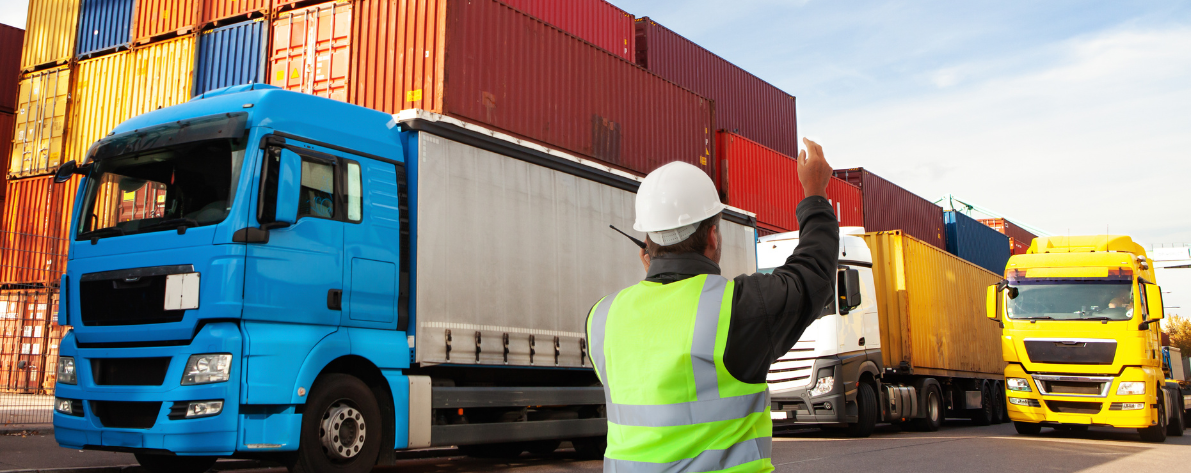
Transport Managers typically work in office, depot or operational environments. Business casual or smart casual dress is common for office‑based work and meetings. When visiting yards, depots or warehouses, practical clothing and required PPE such as safety boots or high‑visibility wear may be required.
Transport Manager Responsibilities
Transport Managers lead transport teams, plan resources, maintain compliance with regulations, manage key performance indicators (KPIs) and costs, protect service levels, and oversee vehicle availability and safety.
Transport Manager Tips
Clear communication and consistent leadership make the biggest difference in this role. Regular check-ins with supervisors and drivers help you stay ahead of challenges and build trust across the team. Using KPI dashboards and performance data gives you an early view of potential issues, allowing you to support colleagues before small problems grow. Maintaining strong relationships with warehouse teams, workshops, and key customers helps create a smooth flow of information. Staying calm, organised, and practical during busy periods will set the tone for your entire team.
Transport Manager Skills and Qualifications
Transport Managers combine people leadership, operational awareness and practical decision making. Many employers prioritise experience, communication skills, and knowledge of transport operations over formal qualifications. Most job postings emphasise leadership, planning, communication, and problem solving as key strengths.
Formal Education or Apprenticeship
Many Transport Managers progress into the role from hands-on positions such as Transport Supervisor, Planner, or Driver Team Leader. A university degree is rarely essential, and most postings do not specify a required education level. GCSEs or A levels can be helpful foundations, while vocational qualifications or apprenticeships in logistics may provide education with hands-on experience.
Additional training such as IOSH Managing Safely or project-based courses can be advantageous, particularly in roles that involve system changes or safety leadership. A Transport Manager Certificate of Professional Competence (CPC) is often required for named responsibilities and many employers support training towards it. A valid UK Driving Licence is often desirable for operational flexibility, but not always necessary.
Technical Expertise Relevant to Transport Manager
Transport Managers use a range of digital systems to plan, track, and report on transport activity. Transportation Management Systems (TMS) are frequently mentioned, reflecting their importance in planning routes, monitoring performance, and managing daily operations. Microsoft Excel and Outlook are desirable skills for tasks such as scheduling, data analysis, and communication. In some organisations, Warehouse Management Systems (WMS) are used where transport interacts closely with stock and order management. Being able to interpret dashboards, compliance reports, and audit trails will help you make informed decisions and demonstrate performance.
Practical Mindset and Adaptability
A practical and adaptable mindset is essential in a role where plans change quickly and decisions carry operational impact. Common skills highlighted by employers include management, operations, communication, leadership and planning, reflecting the broad-focused nature of Transport Management. You will need to stay composed during periods of pressure, prioritise competing tasks effectively, and communicate updates with clarity. Strong problem solving, customer service, and organisational skills help you balance compliance, cost, and service, especially during unexpected issues or peak periods.
Transport Manager Duties
Transport Managers take responsibility for planning, compliance, team leadership, and performance management across their operation. Their work helps keep services reliable, legal, and cost effective.
Plan and Execute Core Tasks
You will lead operational planning, ensuring Drivers, vehicles, and routes are aligned with daily and weekly service needs. Using transport systems and planning tools, you will check resource availability, adjust schedules when necessary, and brief your teams clearly. Collaboration with warehouse teams and vehicle maintenance departments helps protect despatch times and keep the fleet ready for service. Monitoring KPIs such as utilisation, on time performance, and cost per load allows you to drive improvements and keep the operation running efficiently.
Diagnose and Resolve Issues
Operational challenges such as delays, breakdowns, capacity shortages, or customer changes can arise with little warning. As a Transport Manager, you will assess the situation quickly and coordinate a practical response. This may involve rerouting deliveries, arranging alternative vehicles, updating customers, or supporting investigations after incidents. Understanding driver hours, vehicle maintenance schedules, and legal requirements will help you make safe and compliant decisions. Continuous improvement techniques also play a role, as analysing patterns and learning from incidents helps reduce future disruptions.
Maintain Records of Work and Compliance
Compliance is a central part of Transport Management. It will be your responsibility to maintain accurate documentation for driver hours, tachographs, vehicle inspections, maintenance, audits and safety checks. Many job postings highlight the importance of regulatory compliance, auditing, and safety standards, reflecting the legal responsibilities attached to the role. It is essential that you understand the unique requirements and obligations of your sector when applying to become a Transport Manager. Clear records help you demonstrate accountability and support both internal standards and external regulatory requirements.
Transport Manager Career Path and Progression
Transport Management provides strong long-term career opportunities. The role offers a broad foundation that can lead to senior leadership positions, specialist roles, or wider operational management.
Progress to Senior or Specialist Roles
Experienced Transport Managers can progress into a variety of logistics and supply chain roles that increase responsibility and people leadership. Some progression roles include Senior Transport Manager, Head of Transport, or multi-site leadership positions. Some Transport Managers choose to specialise in areas such as compliance, fleet strategy, safety, or continuous improvement, especially in larger organisations where these functions are defined. These roles often involve a broader view of network performance, strategic planning, and stakeholder management.

Supervisor and Manager Positions
Transport Managers often move into broader operational and managerial roles that offer the opportunity to become a strategic player within the industry. Some pathways you might consider including Operations Manager or General Manager. These positions involve leading larger teams, managing budgets, working closely with customers, and shaping overall site or regional strategy. The leadership, problem solving, and performance management skills developed in Transport Management translate well into wider logistics and supply chain environments.
FAQs on Becoming a Transport Manager
How Long Does It Take to Become a Transport Manager?
Timelines vary. Many people step into the role after gaining experience as a Transport Supervisor or Planner, especially if they have been involved in compliance, driver management and operational planning. Others progress from different operational roles where they have developed strong leadership and decision-making skills.
Do You Need Formal Qualifications to Be a Transport Manager?
Formal education is not always required. Many employers focus on leadership experience and operational understanding. A Transport Manager CPC is often required for named responsibilities and organisations commonly support training towards it. Additional safety or project management qualifications may also be helpful.
How Much Does a Transport Manager Make?
Transport Managers typically earn around £42,500 per year in the UK, with salaries varying by sector, shift patterns, and responsibility levels. This may also vary depending on location.
What Does a Transport Manager Do?
A Transport Manager oversees people, vehicles and processes to deliver safe, compliant and efficient transport operations. You will plan resources, maintain legal standards, review KPIs and respond to operational challenges while supporting customers, drivers and internal teams.