How to Become a Manufacturing Engineer
Discover the essential skills, qualifications, responsibilities and career paths to become a successful Manufacturing Engineer.
What Does a Manufacturing Engineer Do?
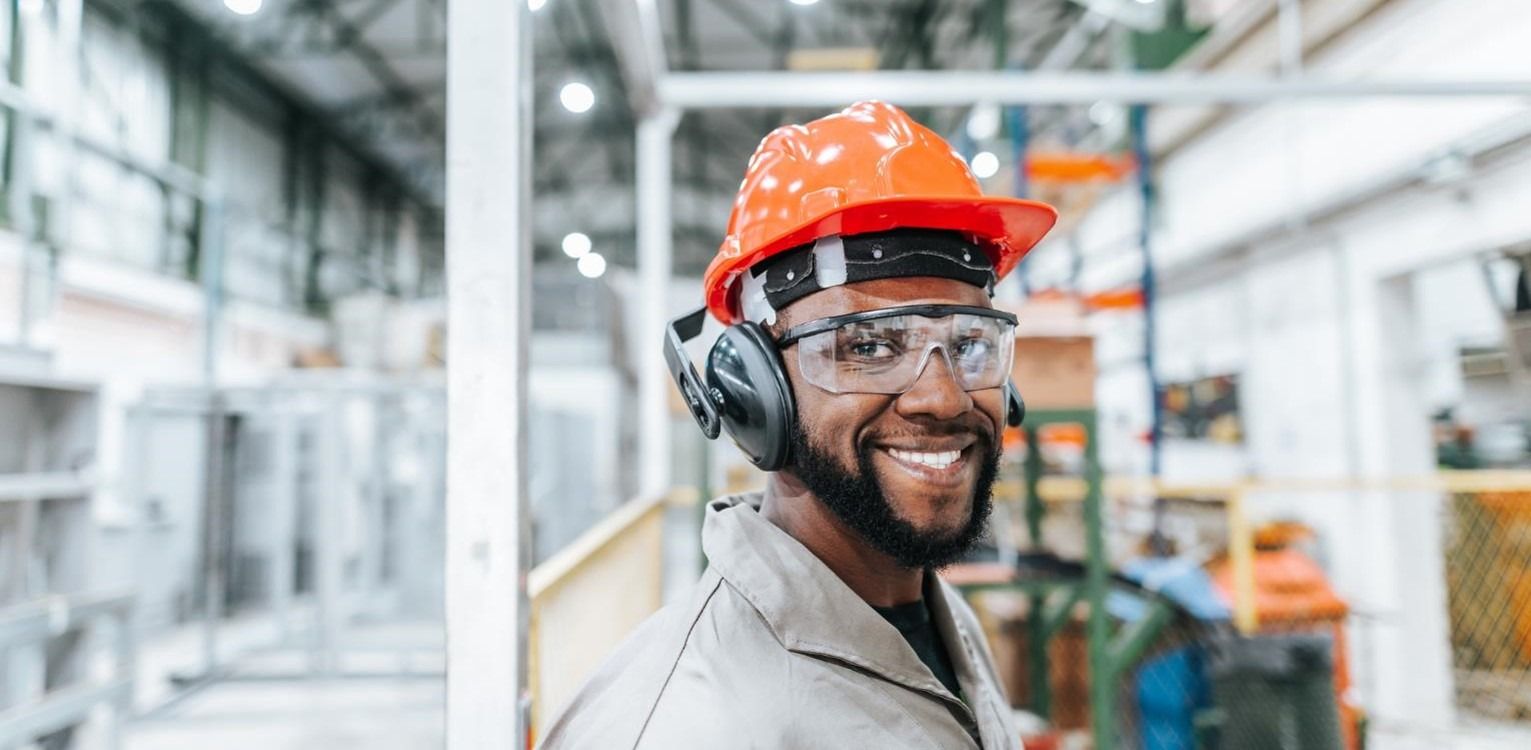
As a Manufacturing Engineer, you’ll focus on designing, implementing and improving manufacturing processes to ensure products are made efficiently, safely, and to a consistently high standard. You’ll sit at the centre of production operations, acting as the link between design, engineering and manufacturing teams.
Day-to-day, you could be analysing production processes, troubleshooting issues on the factory floor and supporting new product introductions. You may also be working directly with tooling, machinery and production lines, while also reviewing performance data to identify inefficiencies or quality risks. As more organisations adopt lean manufacturing and automation, Manufacturing Engineers play increasingly important role in helping businesses scale output without compromising quality or safety.
Check out our construction and engineering jobs on our site.
Dress Code
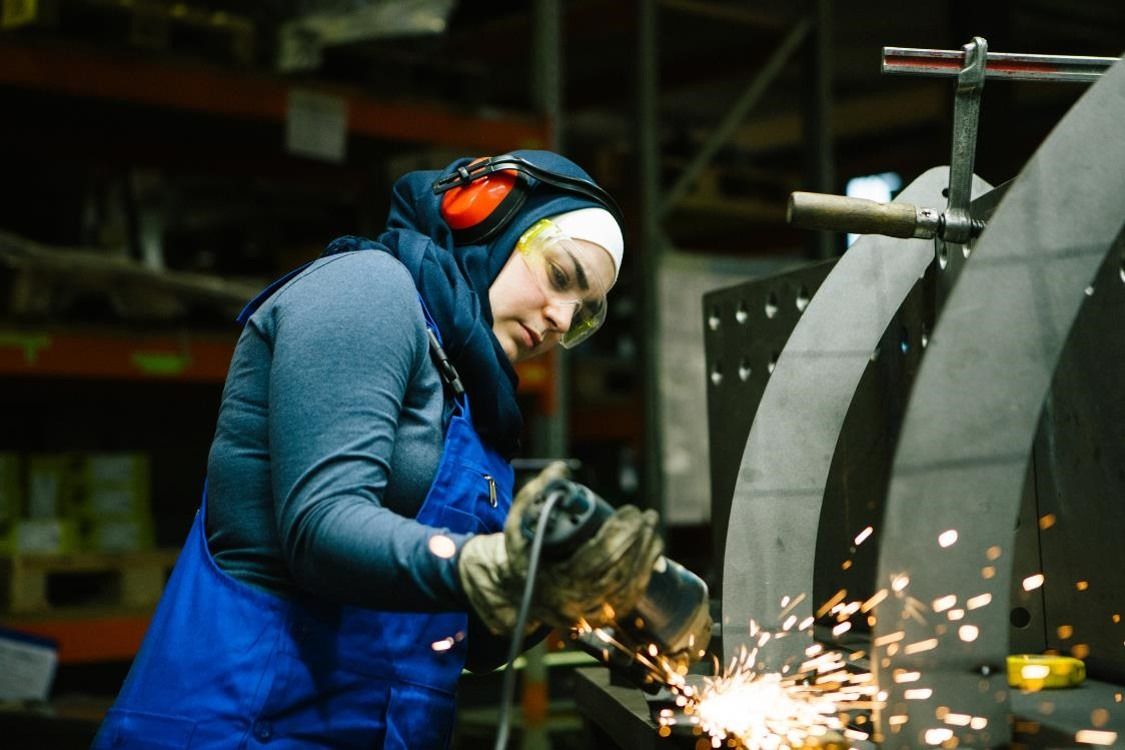
You will usually split your time between the factory floor and office environments. When working on-site, practical, safety-led clothing such as safety boots and personal protective equipment (PPE) is expected. Office or meeting-based work typically follows a business-casual dress code.
Manufacturing Engineer Job Responsibilities
Typical responsibilities include developing and improving production processes, supporting new product launches, and working closely with production, quality, and maintenance teams. You may also lead improvement projects, recommend equipment upgrades, and help ensure operations meet health, safety, and compliance standards.
Manufacturing Engineer Tips
To succeed as a Manufacturing Engineer, it’s important to balance technical knowledge with strong communication and problem-solving skills. Gaining hands-on manufacturing experience early and building knowledge of lean and continuous improvement methods will help you progress faster.
Manufacturing Engineer Skills and Qualifications
To become a Manufacturing Engineer, you will need a combination of formal qualifications, practical experience, and transferable skills. Employers look for engineers who can apply theory in real manufacturing environments and understand how modern production systems operate.
Degree, HND or Apprenticeship in Engineering
Most Manufacturing Engineers start out with a qualification in Manufacturing, Mechanical, Process, or Industrial Engineering. This could be through a bachelor’s degree, a Higher National Diploma (HND), or a foundation degree. Apprenticeships and industrial placements are also popular routes, allowing you to gain hands-on experience alongside formal training.
Knowledge of CAD/CAM and Process Optimisation
Strong technical capability is essential for this role. You’ll often be required to work with Computer-Aided Design (CAD) software, which allows you to create detailed digital drawings and 3D models of tools, components, and production layouts. You may also need to use Computer-Aided Manufacturing (CAM) systems, which support the planning and automation of manufacturing equipment and processes.
Common tools include SolidWorks, AutoCAD, CATIA, and Siemens NX. You’re also likely to work with systems such as SAP and Excel to monitor production performance and support data-driven decisions.
Process optimisation is a key part of this role, applying lean manufacturing and Six Sigma principles to reduce waste, improve efficiency, and maintain quality. Six Sigma is a data-driven method that focuses on reducing defects and variation in manufacturing processes
Project Management and Collaborative Skills
Manufacturing Engineers are frequently involved in improvement projects, capital investment initiatives, and new product introduction (NPI) programmes. This means strong project management skills are valuable, as you may be responsible for timelines, budgets, supplier coordination, and progress reporting.
Some employers value formal project management qualifications such as PRINCE2 (Projects IN Controlled Environments), which provides structured approaches to managing projects from start to finish. While not always essential, it can help you progress into Senior Manufacturing Engineer or leadership roles.
Collaboration is also crucial as you will be working closely with production teams, quality specialists, maintenance engineers, and designers, so clear communication and stakeholder management are vital.
Manufacturing Engineer Duties
Manufacturing Engineer duties focus on maintaining efficient, reliable, and scalable production systems while supporting continuous improvement across the business.
Develop Manufacturing Processes and Systems
You will help design and improve manufacturing processes by developing workflows, specifying equipment, supporting tooling decisions, and ensuring systems meet safety, quality, and productivity requirements.
Implement Continuous Improvement Initiatives
Using lean manufacturing and Six Sigma techniques, you’ll identify inefficiencies, understand their root causes, and implement solutions that improve output, reduce waste, and lower costs.
Work with Design, Quality and Production Teams to Optimise Output
You’ll work across teams to support product launches, resolve quality concerns, and improve the transition between design and production. This collaboration ensures manufacturing systems align with both product requirements and business goals.
Manufacturing Engineer Career Path and Progression
Manufacturing Engineering offers clear progression routes and long-term career opportunities across many industries.
Advance to Senior or Lead Manufacturing Engineer Roles
With experience, you can progress into Senior or Lead Manufacturing Engineer positions. These roles often involve leading complex projects, mentoring junior engineers, and contributing to manufacturing strategy.
Operations Manager, Plant Manager and Specialist Positions
Many Manufacturing Engineers move into Operations Manager or Plant Manager roles later in their careers, overseeing entire facilities. Others specialise in areas such as automation, medical devices, aerospace, or continuous improvement.
FAQs on Becoming a Manufacturing Engineer
How Long Does It Take to Become a Manufacturing Engineer?
For most people, it takes around three to four years to become a Manufacturing Engineer through a degree or apprenticeship route. Some entry-level roles may be accessible sooner with vocational qualifications and relevant experience.
Do You Need Formal Qualifications to Be a Manufacturing Engineer?
Yes, most employers expect you to hold an engineering qualification such as an apprenticeship, HND, foundation degree, or bachelor’s degree.
How Much Does a Manufacturing Engineer Make?
If you’re starting out, you can typically expect to earn between £30,000 and £35,000. With experience, salaries often increase to £40,000–£50,000, while Senior Manufacturing Engineers or specialists working in sectors such as aerospace or medical devices may earn £55,000 or more, depending on location and expertise.