How to Become a Maintenance Engineer
Explore the pathway to becoming a Maintenance Engineer, covering essential skills, qualifications and experience, along with typical entry routes and career development opportunities.
Overview of the Maintenance Engineer Role
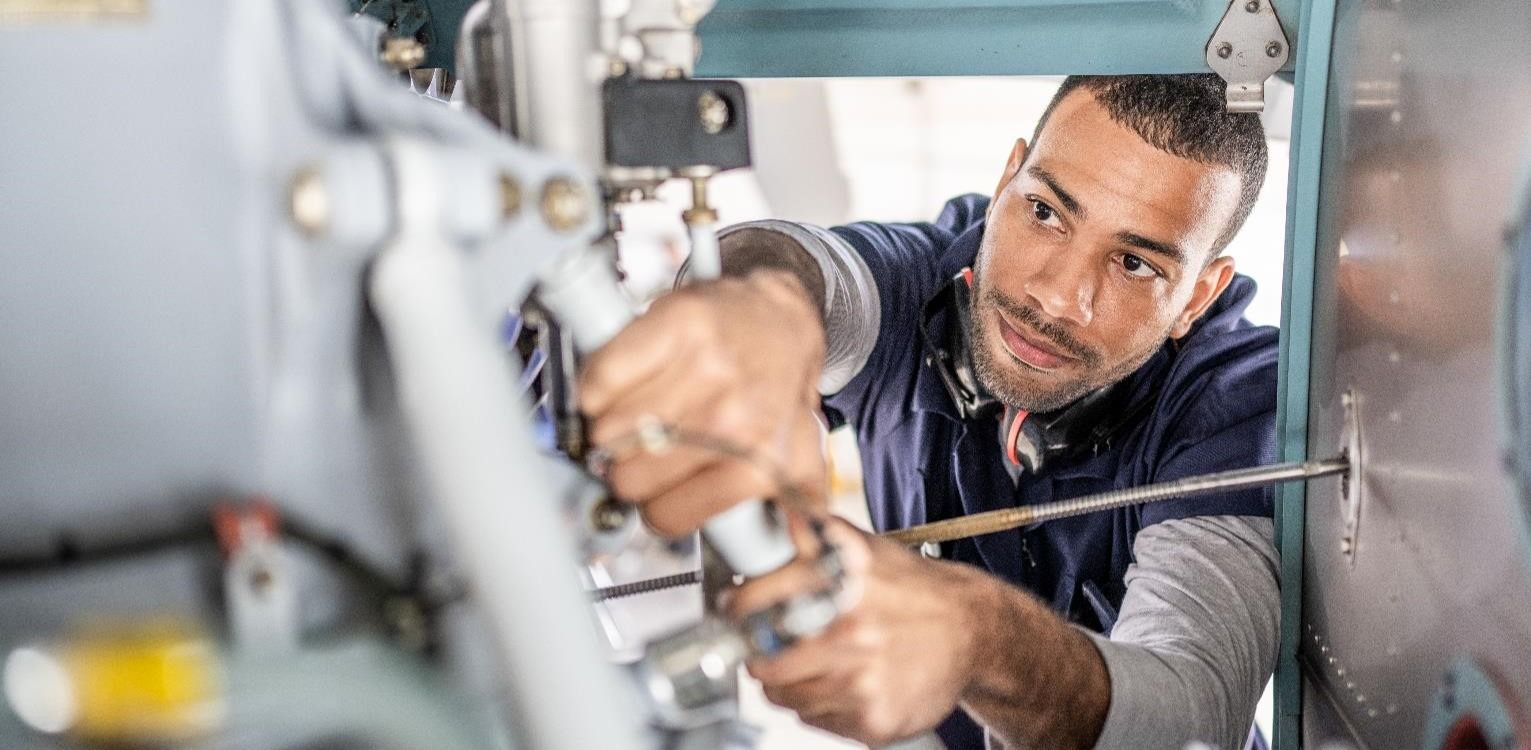
As a Maintenance Engineer, you will be responsible for ensuring the smooth running of machinery, including implementing repairs and diagnosing faults. Whether you’re starting an entry-level position or growing your skills for more senior projects, this role requires a strong level of problem solving, analytical thinking, and engineering principle knowledge.
There are also other construction and engineering jobs to choose from on our site.

Dress Code
The dress code for a Maintenance Engineer includes durable workwear to protect you during on-site work. Some items you will be expected to wear include work trousers, sturdy boots, and potentially company-branded clothing. However, you might be expected to wear business casual for corporate settings and meetings.
Maintenance Engineer Responsibilities
The main responsibilities of a Maintenance Engineer include conducting routine checks on equipment and machinery, diagnosing faults, and reporting. This requires a good understanding of engineering principles, as well as strong problem-solving capabilities. Find out more about your responsibilities below.
Maintenance Engineer Tips
To be a successful Maintenance Engineer, you will need to develop your transferable skills alongside your technical ones. This can include communication, problem solving, analytical thinking, and time management. Due to the nature of this role, you might be required to troubleshoot problems under time constraints and be able to effectively communicate these across the business – requiring strong communication, both written and verbally.
Maintenance Engineer Skills and Qualifications
To become a Maintenance Engineer, you will need qualifications, relevant experience, and the transferable skills to support your day-to-day. Whether you’re exploring vocational routes or an academic start to work, there are multiple ways of accessing Maintenance Engineering roles.
Degree, HND, or Apprenticeship in Engineering
To become a Maintenance Engineer, you will need some level of education or experience in engineering. This can be through a specific bachelor’s degree in maintenance or other related engineering fields or through Level 3 Higher National Diplomas in engineering or a City & Guilds scheme. Both offer the experience to gain the knowledge and skills necessary to become a qualified Maintenance Engineer. Apprenticeships are another entry route into Maintenance Engineering, offering practical education alongside work experience for anyone wanting to explore alternative options into the industry.
Expertise in Preventative Maintenance, Fault-Finding and Repairs
As businesses focus on sustainability and innovation, preventative maintenance is becoming a more important skill. Maintenance Engineers capable of implementing preventative measures can support business operations and grow a strong career. Fault-finding and repairing capabilities are also necessary skills for Maintenance Engineers as your day-to-day will consist of diagnosing faults and implementing repairs to machinery. This will also require a level of tool proficiency and IT skills to support repairs and general machinery maintenance during your day-to-day.
Practical Mindset and Adaptability
As a Maintenance Engineer, you will also need to have a practical mindset and be able to adapt to any environment and situation. Whether you’re responding to emergency situations or innovating alongside technology advancements, Maintenance Engineers need to be able to approach work with flexibility and adaptive thinking capabilities. A practical mindset is useful for working through common and complex issues with logic and reason, allowing you to respond to each situation accurately and creatively.

Maintenance Engineer Duties
As a Maintenance Engineer, your day-to-day will consist of a variety of reporting, repairing, and maintenance tasks. This requires strong time management, communication, and adaptability throughout the day.
Conducting Routine Equipment Maintenance
Maintenance Engineers will regularly need to conduct routine equipment maintenance. This will include regularly checking machinery to ensure they’re operating smoothly and safely. You will need to schedule regular machinery reviews and maintenance, allocating a servicing schedule that works alongside business demand. Analysing and resolving regular equipment failures is also another essential task for Maintenance Engineers, requiring analytical thinking and problem-solving on a regular basis. This will include liaising with teams to ensure as little disruption as possible during maintenance.
Diagnose and Repair Faults
You will regularly need to conduct systematic, multi-step approaches to diagnose and repair faults in machinery. This requires a strong understanding of engineering principles, agility, and the ability to work under pressure to reduce the risk of misdiagnosis. You will be required to identify the root cause of the issue and implement quick repairs and recommendations to ensure the smooth running and contingency of production. This will combine skills including data analysis, troubleshooting, and using specialised diagnostic tools.
Maintain Records of Work and Compliance
As a Maintenance Engineer, you will also be required to maintain records of work and compliance for auditing and stakeholder reporting. This requires strong written and verbal communication, as well as an attention to detail to ensure that all machinery and practices comply with industry standards and are within your company’s legal obligations. This is an essential part of your role as any mistakes can lead to costly fines and reputational damage, as well as increasing the risk of health and safety issues within the workplace.
Maintenance Engineer Career Path and Progression
Whether you’re considering the longevity of choosing a career as a Maintenance Engineer or exploring your next opportunity, there’s plenty of progression for someone in this field. From expanding your skillset to joining management, you can grow your first engineering role into a long-term career.
Progress to Multi-Skilled Engineer Roles
One progression route for a Maintenance Engineer is to become a multi-skilled Engineer. This involves expanding your skillset into other disciplines or sectors, gaining a vast variety of knowledge that can be applied to your working day-to-day. This could include gaining qualifications and experience in Electrical Engineer, Process Engineering, or Production Engineering. By becoming multi-disciplined, you will be in a better position to explore new opportunities and bring expansive engineering knowledge to your maintenance position.

Maintenance Supervisor and Manager Positions
Another common progression route for Maintenance Engineers is to step into a Maintenance Supervisor role. This requires taking on more responsibilities, including supporting a team of engineers or overseeing larger maintenance projects. This includes the upkeep, repair, and preventative maintenance of buildings, machinery, and equipment – ensuring operational efficiency, safety, and compliance. You can also step into other management positions which require sharing your knowledge and expertise with a broader team, or the business, to ensure operational efficiency, reporting, and compliance.
FAQs on Becoming a Maintenance Engineer
How Long Does It Take to Become a Maintenance Engineer?
Depending on your route, becoming a Maintenance Engineer does not have to take a long time. For most, it takes 2 to 5 years to become a Maintenance Engineer. You can access roles through apprenticeship schemes, which get you earning faster, or by completing an engineering degree.
Do You Need Formal Qualifications to Become a Maintenance Engineer?
No, you don’t need formal qualifications to become a Maintenance Engineer. While a degree in engineering might help, there are various other routes into the profession including apprenticeships which require little to no prior experience or education.
How Much Does a Maintenance Engineer Make?
The average annual salary for a Maintenance Engineer is between £30,000 and £45,000. This can vary depending on your location and sector. Some high-demand Maintenance Engineers can earn over £50,000 annually, with entry-level positions starting at minimum wage.
What Does a Maintenance Engineer Do?
Maintenance Engineers are responsible for the repair, troubleshooting, and preventative maintenance of machinery and equipment for a business. This is a crucial role that ensures the operational efficiency of your company.