How to Become a Transportation Administrator
Transportation Administrators support daily transport operations by managing documentation, updating systems and keeping teams informed. This guide explains the Transportation Administrator role, key responsibilities, essential skills and career development opportunities within the logistics industry.
Overview of the Transportation Administrator Role
If you enjoy organising information, supporting daily operations, and keeping people informed, becoming a Transportation Administrator could be a great fit. This role sits at the centre of transport activity, helping Drivers, planners, and managers stay coordinated while ensuring paperwork and system updates are completed accurately and on time.
Transportation Administrators work across logistics operations of all sizes, including haulage companies, parcel networks, warehouse‑based distribution centres, and national transport providers. They play an important role in keeping day‑to‑day operations running smoothly by maintaining clear communication, accurate records, and reliable driver support.
You’ll assist with scheduling, checking documentation, updating transport systems, responding to queries, and helping ensure deliveries and collections run to plan. The role suits someone who enjoys structure, is comfortable using technology, and likes working with Drivers, colleagues, and external partners. Whether starting out in logistics or moving from another entry‑level role, Transportation Administration provides a strong foundation for future transport and operations careers.

Dress Code
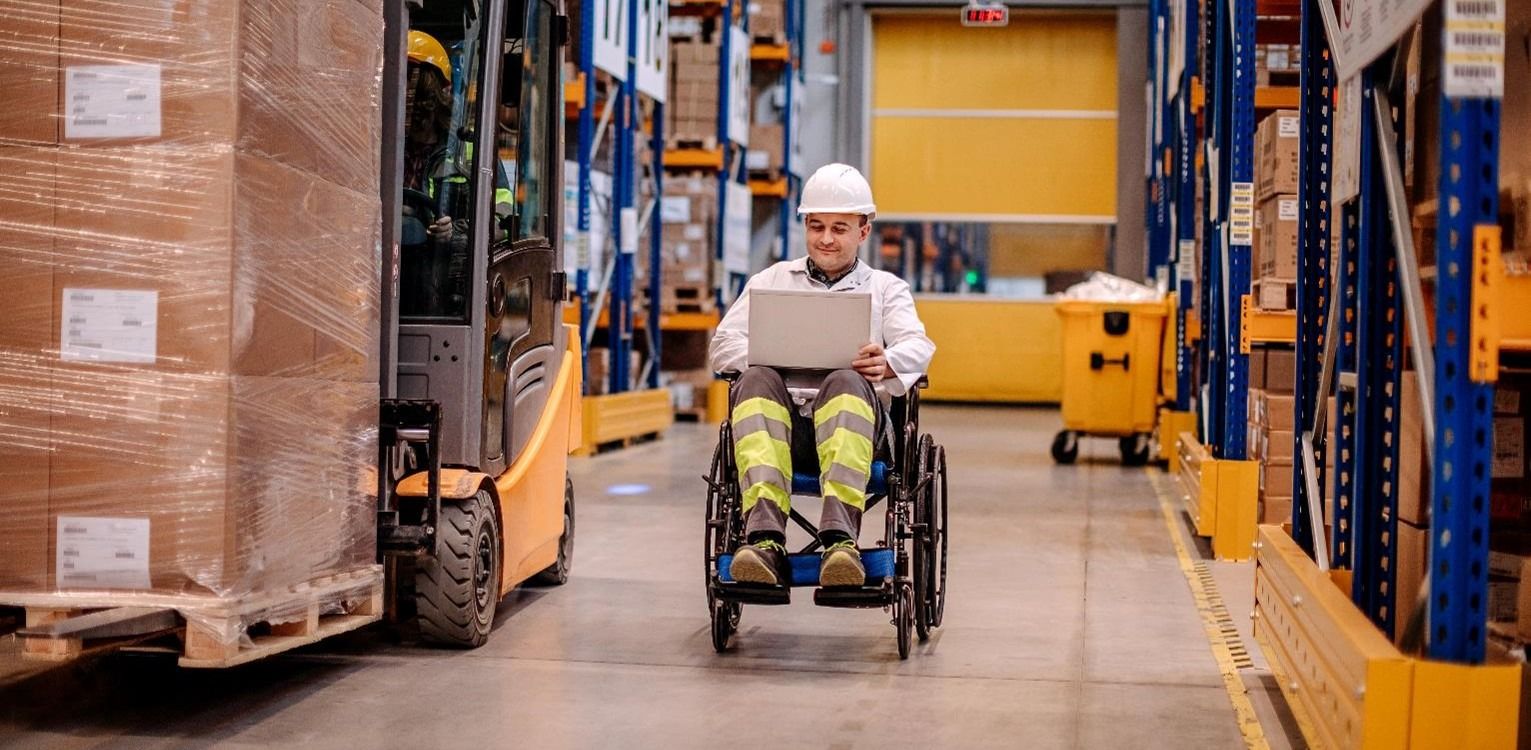
Transportation Administrators typically work in office‑based transport environments located within depots, distribution centres, or logistics offices. Smart casual or business casual dress is common for day‑to‑day administrative duties and professional interaction with drivers and colleagues. When working in operational areas such as yards or warehouses, practical clothing may be required, along with appropriate personal protective equipment (PPE) such as high‑visibility clothing or safety footwear, in line with site safety policies.
Transportation Administrator Responsibilities
Transportation Administrators support transport teams by managing documentation, updating transport systems, assisting with Driver briefings, handling incoming enquiries, maintaining accurate records of vehicle movements, and helping ensure procedures are followed.
Transportation Administrator Tips
Being organised, calm, and proactive makes a big difference when it comes to becoming a Transportation Administrator. Keeping paperwork accurate and up to date helps prevent delays later in the process. Building good relationships with Drivers and colleagues encourages smoother communication throughout each shift. Staying familiar with your transport management system (TMS) and common office software will help you work confidently and quickly. It’s helpful to approach each day with a problem‑solving attitude so you can support the team when unexpected changes arise.
Transportation Administrator Skills and Qualifications
Transportation Administrators bring together administrative accuracy, communication skills, and logistical awareness. Employers typically look for candidates who can stay organised, work with systems confidently, and support colleagues with timely information.
Formal Education or Apprenticeship
There are no strict academic requirements for becoming a Transportation Administrator. Many people enter the role with GCSEs or A‑levels, though a large proportion join through administrative experience or directly from customer‑facing roles. Apprenticeships in business administration or logistics can offer a structured entry route with practical training, but they aren’t necessary. Some organisations value additional training such as Functional Skills qualifications, First Aid, or a valid driver’s licence, especially where the role involves supporting vehicle-related tasks. Commitment to learning and attention to detail tend to be more important than formal qualifications.
Technical Expertise Relevant to Transport Planner
Transportation Administrators commonly use TMS platforms, Microsoft Excel, Outlook, Word and other business software to process information accurately. These tools are used to log deliveries, update Driver information, record vehicle checks, manage schedules, and communicate with internal and external contacts. Familiarity with spreadsheets or data entry systems is helpful, and confidence learning new software will support your day‑to‑day work. Some logistics environments may also use Warehouse Management Systems (WMS) or specialist compliance tools for documentation. Employers look for candidates who are comfortable with digital tools and able to follow processes accurately.
Practical Mindset and Adaptability
Transport operations move quickly, so being adaptable and focused helps you support the team effectively. You’ll need to respond professionally to queries from Drivers, customers, and colleagues, often solving problems or finding information under time pressure. Clear communication, strong organisational habits, and a commitment to accuracy help maintain service levels. Many roles require contact with Drivers during busy periods, so being approachable and confident is key. A practical, solution‑focused mindset helps you manage shifting priorities and maintain a calm working environment. Customer service experience is helpful, as you may be asked to provide updates or investigate issues as they arise.

Transportation Administrator Duties
Transportation Administrators support a wide range of duties that help keep transport operations efficient, compliant, and well‑coordinated. They play an important role in ensuring key information is accurate and easy for the wider team to access.
Plan and Execute Core Tasks
Day‑to‑day tasks often include preparing transport documents, printing manifests, issuing keys or Driver instructions, checking returned paperwork, and ensuring information is captured correctly in the TMS. You may help plan routes or update schedules and work closely with Drivers at the start and end of their shifts to gather details from their journey. Some roles involve coordinating booking‑in times, supporting customer communication, or updating internal systems so that other departments know when goods are due to arrive or depart. Clear organisation and good time management help ensure these tasks support a smooth operation.
Diagnose and Resolve Issues
Transportation Administrators often respond to real‑time changes such as delays, missing paperwork, system discrepancies, or customer queries. You may need to support Drivers by finding information, updating a plan, or escalating issues to supervisors. Working closely with warehouse and transport teams helps you resolve problems quickly. Having a confident, calm manner also helps you reassure Drivers and colleagues while keeping operations moving. Responsibilities may also include helping monitor compliance issues such as checking licences, updating defect reports, or ensuring documentation meets safety and legal requirements.
Maintain Records of Work and Compliance
Accurate record keeping is essential. Transportation Administrators update delivery logs, Driver records, vehicle defect reports, compliance documents, and system information to maintain a clear picture of daily performance. You may assist with invoicing, fuel logging, weekly reporting, or supporting audits by ensuring documents are filed correctly. These tasks provide the information managers need to make decisions, maintain safety, and meet regulatory requirements. A strong attention to detail helps prevent errors that could impact service or compliance.
Transport Planner Career Path and Progression
Transportation Administration provides a strong entry point into wider logistics and transport careers, offering opportunities to develop operational knowledge and move into more senior or specialised positions.
Progress to Senior or Specialist Roles
With experience, Transportation Administrators can move into roles such as Senior Administrator, Operations Support Coordinator, or Compliance Assistant, taking on more responsibility for planning, safety checks, or systems administration. Some people specialise in areas such as documentation, vehicle compliance, customer coordination, or fleet support, becoming the main point of contact for specific processes. These roles allow you to use your knowledge of transport systems and operational requirements in more technical or support‑focused areas.

Supervisor and Manager Positions
Many Transportation Administrators progress into Transport Coordinator, Transport Planner or Transport Supervisor roles once they have gained confidence in logistics processes. These roles involve greater responsibility for daily operations, decision making, and team support. With further experience, individuals may move into Transport Manager or Logistics Manager positions, overseeing larger teams and operational budgets, using your logistics and people leadership skills to maintain operational excellence.
FAQs on Becoming a Transportation Administrator
How Long Does It Take to Become a Transportation Administrator?
Timelines vary. Many people step into the role quickly with transferable administrative or customer service experience, while others progress from warehouse, transport office or entry‑level logistics roles.
Do You Need Formal Qualifications to Be a Transportation Administrator?
Formal qualifications are not always required. Employers generally focus on organisation, communication skills and confidence using office software.
How Much Does a Transportation Administrator Make?
Transportation Administrators typically earn around £27,000 per year in the UK, depending on location, company size, and shift patterns. This may also vary depending on your specialism or specific sector.
What Does a Transportation Administrator Do?
A Transportation Administrator supports daily transport operations by handling documentation, updating systems, communicating with Drivers and ensuring transport activities run efficiently and compliantly.