How to Become a Service Engineer
Discover how to become a Service Engineer, covering key responsibilities, essential skills, typical earnings and the career paths available.

Overview of the Service Engineer Role
As a Service Engineer, you work with equipment that needs to be installed, maintained and repaired in live environments. The role focuses on keeping systems running safely and reliably, often by diagnosing faults, carrying out repairs, and supporting customers on site.
In practice, this means spending much of your time away from a single workplace. You may travel between customer sites, work with machinery that is already in use, and respond to problems as they arise. Service Engineers work across a wide range of industries, including manufacturing, construction, facilities management, energy, and specialist equipment supply, where downtime needs to be kept to a minimum.
Depending on the role, your time may be split between customer sites and workshop or depot environments. The emphasis is on practical problem-solving, working methodically, and making sure equipment is returned to safe working condition.

Dress Code
Service Engineers usually work in practical, site-based environments. You’ll typically wear workwear and safety equipment such as safety boots and personal protective equipment (PPE). In many roles, branded clothing and safety gear are provided, designed to be suitable for site work and travelling between jobs.
Service Engineer Responsibilities
Service Engineer job responsibilities commonly include installing equipment, carrying out routine servicing, diagnosing faults, and completing repairs on site. The role may also involve responding to breakdowns, testing systems after repair, and supporting customers with technical issues to ensure equipment is operating correctly and safely.
Service Engineer Tips
If you’re considering a career as a Service Engineer, being comfortable working independently is important. You’ll often be responsible for managing your own jobs, identifying problems without immediate support, and communicating clearly with customers. Staying organised when travelling between sites and approaching fault-finding methodically will help you build confidence and progress in the role.
Service Engineer Skills and Qualifications
Working as a Service Engineer relies more on practical ability and experience than formal academic routes alone. A solid engineering foundation is typically required, along with confidence working with equipment on site and the ability to diagnose faults quickly and safely while working independently.
Many employers focus on what you can do in real situations rather than your education on paper. Training is often job-specific, with skills developing over time as you gain experience working with particular systems or machinery.
Engineering Degree, HND or Apprenticeship
Most Service Engineer roles require a practical engineering background. This is commonly gained through an apprenticeship or vocational qualification in mechanical, electrical, or engineering disciplines.
For more specialist equipment or complex systems, an HND or degree-level qualification may also be required. However, in many field-based roles, hands-on training and experience working with relevant equipment carry more weight than academic study alone.
Proficiency in Diagnostics and Repair
Strong diagnostic and repair skills are central to the role. Fault-finding, system testing, and carrying out repairs often form a key part of the day-to-day workload, particularly when equipment is offline and customers are waiting for a solution.
This work involves a methodical approach, a clear understanding of how systems should perform under normal conditions, and the ability to recognise patterns when things go wrong. Experience with commissioning, servicing, and troubleshooting helps resolve issues effectively rather than relying on temporary fixes.
Communication and Customer Service Skills
As a Service Engineer, you spend a significant amount of time dealing directly with customers, site teams, or operators. Clear communication is essential when explaining faults, discussing repair times, or advising on future maintenance.
You’re often the main point of contact on site, so professionalism and reliability matter. Being able to build trust, stay calm under pressure, and manage expectations is just as important as technical skill.
Duties of a Service Engineer
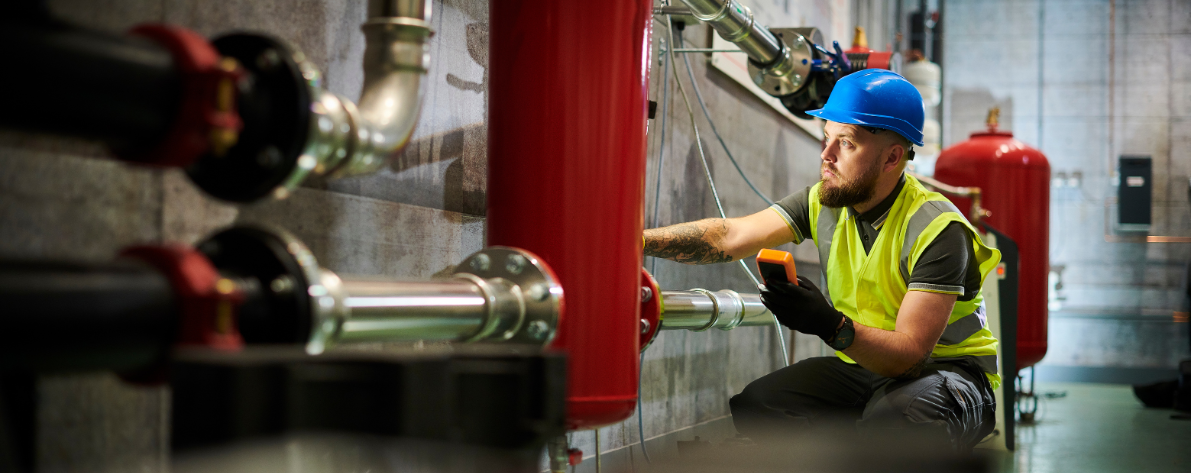
The duties of a Service Engineer focus on supporting equipment throughout its lifecycle, from installation and commissioning through to ongoing maintenance and repair. Much of the work takes place on site, where problems need to be diagnosed quickly and resolved safely to minimise disruption.
Equipment Installation and Setup
Installing and setting up equipment is a core part of the role. This can include assembling machinery, connecting mechanical or electrical systems, and carrying out checks to confirm everything is operating as expected.
In many roles, installation work also involves commissioning equipment and ensuring it is configured correctly before handover. Basic guidance or training may be provided to customers or operators to help them use equipment safely and effectively from the outset.
Maintenance and Troubleshooting
Maintenance and troubleshooting make up a significant part of day-to-day work. This includes planned servicing as well as responding to breakdowns when equipment fails unexpectedly.
Fault-finding often takes place under time pressure, particularly where downtime has a direct impact on operations. A methodical approach helps identify the root cause of issues, leading to more reliable long-term fixes rather than repeated call-outs.
Documentation and Reporting
Accurate documentation supports safe and effective service work. Service reports are usually completed to record repairs carried out, parts replaced, and any follow-up actions required.
Clear reporting helps track maintenance history, supports warranty or compliance requirements, and provides valuable information for future servicing or troubleshooting.
Service Engineer Career Path and Progression
A career as a Service Engineer offers clear progression opportunities, particularly for those who develop strong technical skills and confidence working directly with customers.
Senior and Specialist Positions
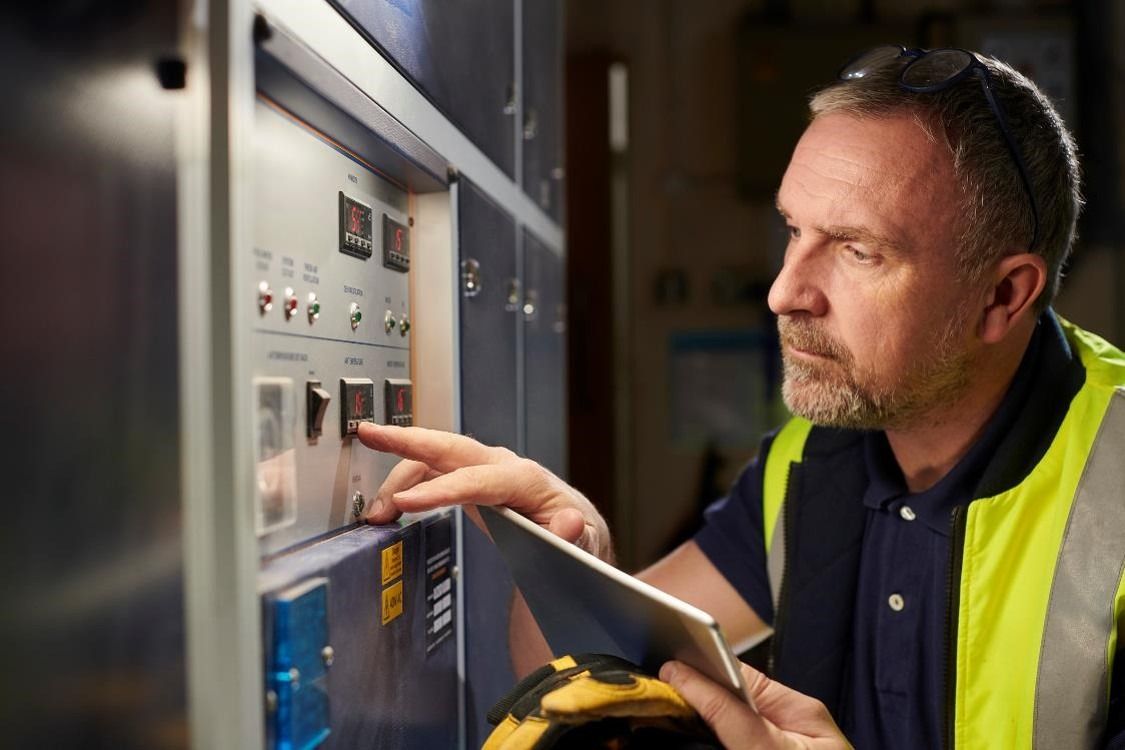
With experience, you may progress into Senior or Specialist Service Engineer roles. These positions often involve working with more complex equipment, supporting key customers, or acting as a technical point of reference for other engineers.
Specialising in areas such as automation, controls, HVAC, refrigeration, or specific types of machinery can open up further career opportunities.
Leadership and Management Pathways
Some Service Engineers move into leadership or management roles, such as Service Supervisor, Service Manager, or Operations Manager. These positions typically involve coordinating engineers, planning workloads, and supporting service delivery across sites or regions.
This route suits those who want to combine technical understanding with team leadership and operational responsibility.
FAQs on Becoming a Service Engineer
How Long Does It Take to Become a Service Engineer?
Many Service Engineers enter the role through apprenticeships or vocational training, which often take two to three years. Some entry-level positions may be accessible sooner with relevant hands-on experience.
Do You Need Formal Qualifications to Be a Service Engineer?
Formal qualifications are helpful but not always essential. Many employers place greater emphasis on practical skills, relevant training, and a willingness to learn. Apprenticeships and vocational routes are common entry points into the role.
How Much Does a Service Engineer Make?
Service Engineers are often paid on an hourly basis. Typical rates sit at around £19.26 per hour, which equates to roughly £37,000 to £40,000 per year for full-time roles. Overtime, call-out work, and specialist skills can increase overall earnings.
What Does a Service Engineer Do?
A Service Engineer installs, maintains, and repairs equipment on site, helping ensure systems operate safely and reliably. The role combines hands-on engineering work with fault-finding, problem-solving, and customer interaction in real-world environments.