How to Become a Production Engineer
Explore what a Production Engineer does day to day, the environments they work in and the practical skills you’ll need to succeed.
Overview of the Production Engineer Role
As a Production Engineer, your role centres on supporting and improving manufacturing processes as products move through production. This is a hands-on engineering position, closely aligned with live manufacturing environments and focused on maintaining output, quality, safety, and cost control.
You may be analysing performance data, responding to issues on the shop floor, and supporting products through assembly, test, or inspection stages. The role often involves working directly with production lines, tooling, and processes, alongside identifying inefficiencies or recurring faults that affect productivity.
Dress Code
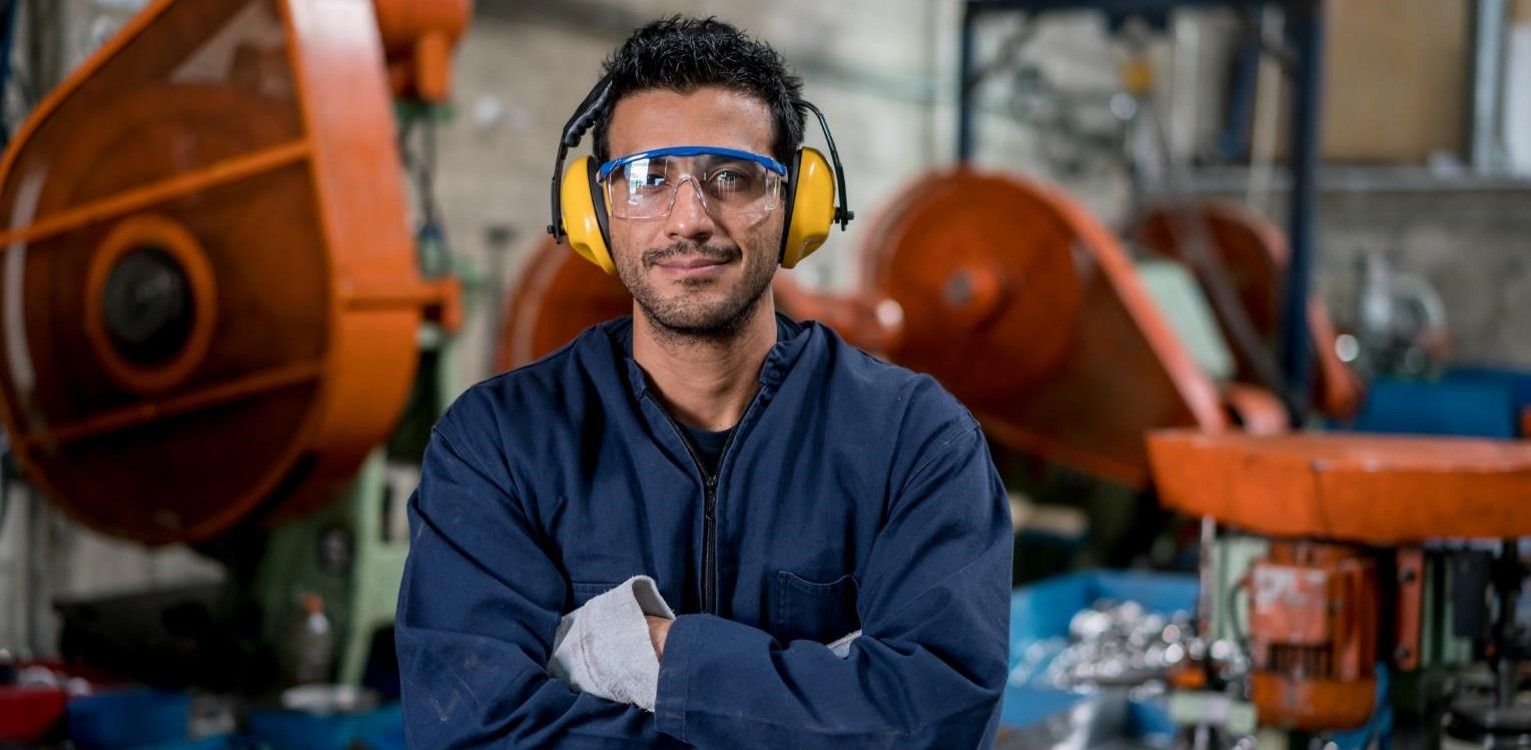
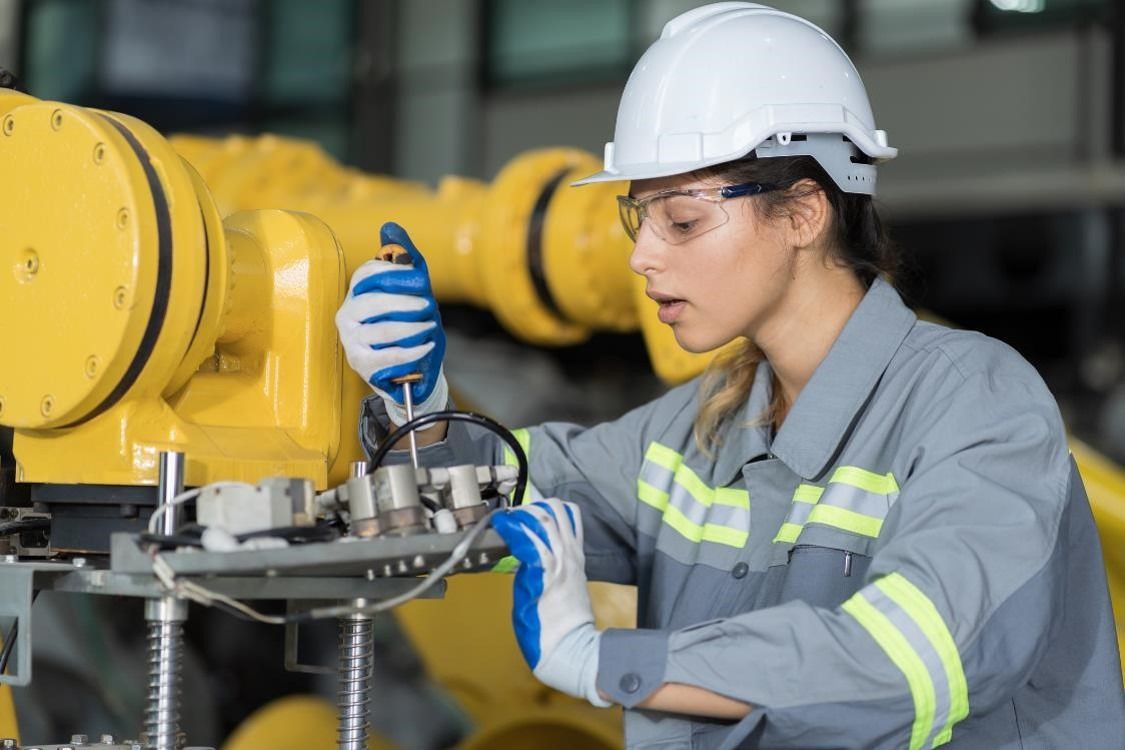
Production Engineers typically spend most of their time in manufacturing environments. Practical, safety-led clothing such as safety boots and appropriate personal protective equipment (PPE) is standard. Some office-based work may be required for planning, documentation, or meetings, where business-casual dress is usually acceptable.
Production Engineer Responsibilities
Core responsibilities include supporting manufacturing processes, helping resolve production issues, contributing to process improvements, and working closely with operators, supervisors, and engineering teams to maintain efficiency and quality.
Production Engineer Tips
Building strong shop-floor experience will help you succeed in this role. Developing a practical approach to problem solving, maintaining clear communication with production teams, and showing an interest in continuous improvement can help you progress more quickly as a Production Engineer.
Production Engineer Skills and Qualifications
To become a Production Engineer, you’ll need a combination of relevant qualifications, practical manufacturing knowledge, and transferable workplace skills. Employers often prioritise hands-on production experience alongside formal engineering training.
Degree or HND in Production, Mechanical or Industrial Engineering
Production Engineers often enter the role through an apprenticeship or Higher National Diploma (HND) in Production, Mechanical, Manufacturing, or Industrial Engineering. These routes provide a strong technical foundation while developing practical manufacturing experience. Degree routes are also available but are not always required for entry-level Production Engineer positions.
Production Planning and Quality Control
Strong planning and quality control skills are essential. You may support production planning activities such as scheduling, material flow, and balancing workloads to meet output targets. You are also likely to be involved in quality control, supporting inspections, defect investigations, and corrective actions to maintain consistent production standards.
Organisational, Communication and Leadership
Production Engineers work across busy production environments where organisation and communication are critical. Explaining technical issues clearly, prioritising tasks, and supporting teams during change initiatives are all key aspects of the role. Leadership skills often develop over time as responsibilities increase.
Duties of a Production Engineer
Production Engineer duties focus on supporting stable production operations while identifying opportunities to improve efficiency, safety, and reliability.
Oversee Daily Production Processes
A core duty involves supporting daily production activity. This includes monitoring performance, responding to process or equipment issues, and working with teams to minimise disruption and maintain output.
Develop Systems to Improve Efficiency
You will often contribute to initiatives that improve efficiency and reduce waste. This could include reviewing workflows, supporting layout or tooling changes, analysing production data, and helping reduce downtime or scrap.
Compliance with Health and Safety
Health and safety compliance is a fundamental responsibility. Production Engineers support risk assessments, safe systems of work, and continuous monitoring to ensure manufacturing activities meet regulatory and company standards.
Production Engineer Career Path and Progression
A career as a Production Engineer provides clear development opportunities and exposure to a wide range of manufacturing challenges.
Senior Production Engineer and Team Leader Positions
With experience, Production Engineers can progress into Senior or Team Leader roles. These positions often involve leading improvement projects, mentoring junior engineers, and taking responsibility for specific production areas.
Production Manager, Operations Manager, and Plant Director Roles
Beyond Senior Production Engineer roles, progression can lead into Production Manager or Operations Manager positions, with responsibility for multiple production areas, teams, and overall manufacturing performance. At a senior level, some Production Engineers move into Plant Director roles, overseeing site‑wide output, continuous improvement, and long‑term production strategy.
FAQs on Becoming a Production Engineer
How Long Does It Take to Become a Production Engineer?
For many people, the route into a Production Engineer role begins with an apprenticeship or Higher National Diploma (HND). These pathways typically take around two to three years and can lead directly into entry-level Production Engineer positions. Degree routes often take three to four years but are not essential for many Production Engineer roles.
Do You Need Formal Qualifications to Be a Production Engineer?
Most employers expect a formal engineering qualification, such as an apprenticeship, HND, foundation degree, or bachelor’s degree in a relevant discipline, combined with practical manufacturing experience.
How Much Does a Production Engineer Make?
Production Engineer pay is often advertised on an hourly basis. A typical median rate is around £19 per hour, which equates to approximately £38,000 to £40,000 per year for full-time roles. More experienced Production Engineers may earn £45,000 or more, depending on industry and location.
What Does a Production Engineer Do?
A Production Engineer supports manufacturing operations by resolving production issues, improving process efficiency, ensuring quality standards are met, and maintaining safe, reliable production systems on a day-to-day basis.