How to Become a Process Engineer
Discover what Process Engineers do, required skills, qualifications, duties, salary expectations, and how to progress your engineering career.

What Does a Process Engineer Do?
As a Process Engineer, you work on how systems and processes are designed, improved, and controlled to ensure they operate efficiently, safely, and consistently. The role focuses on understanding how materials, energy, and information move through a process and identifying improvements that support performance, reliability, and compliance.
In practice, this often means analysing process data, reviewing system designs, and supporting improvements before changes are made on site. You’re likely to come across this role in industries such as chemicals, water and wastewater, energy, and manufacturing, where processes must meet strict technical and regulatory standards.
Depending on the role, time is often split between office-based work such as planning, modelling, and documentation, and site visits to support investigations or reviews. The focus is on making sure processes are fit for purpose before they are built, modified, or scaled.

Dress Code
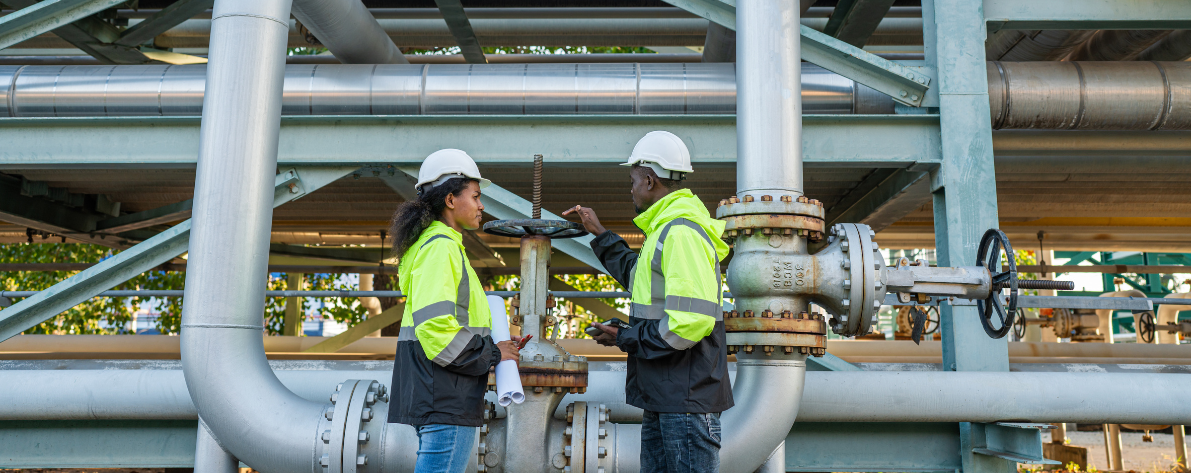
Work is usually split between office and site environments. In an office setting, business-casual dress is generally acceptable. When attending plants or operational sites, safety-led clothing such as safety boots, hard hats, and other personal protective equipment (PPE) is required.
Process Engineer Responsibilities
Responsibilities often include reviewing and improving how systems operate, supporting efficiency and safety improvements, and producing clear technical documentation. Depending on the organisation, you may also work alongside other engineering disciplines to ensure processes meet operational needs, environmental standards, and regulatory requirements.
Process Engineer Tips
If you’re considering a career in this area, curiosity about how and why systems work is essential. Building confidence with process diagrams, understanding how data supports decisions, and seeing how designs translate into real-world operation will support your development over time.
Process Engineer Skills and Qualifications
Working as a Process Engineer requires strong technical knowledge alongside analytical and problem-solving skills. The role brings together engineering theory and practical decision-making, often within regulated or safety-critical environments where clear thinking really matters.
Degree in Chemical or Mechanical Engineering
Most people enter the profession with a degree in Chemical Engineering, Process Engineering, or Mechanical Engineering. These subjects give you a solid grounding in areas such as thermodynamics, fluid flow, and heat transfer, which underpin process design work.
Compared with production-focused engineering roles, there is usually greater emphasis on formal qualifications, particularly in industries with strict safety and regulatory standards.
Knowledge of Process Design and Optimisation
Process design knowledge sits at the centre of the role. This commonly involves working with Process Flow Diagrams (PFDs) and Piping and Instrumentation Diagrams (P&IDs) to define how systems operate and interact.
Optimisation work may include reviewing efficiency, energy use, waste, or reliability. You’ll often use modelling and simulation tools, alongside CAD software, to test ideas and support design decisions before changes are introduced.
Analytical Thinking, Data Interpretation, and Problem-Solving
Analytical thinking is critical when assessing system behaviour and making informed decisions. You may spend time interpreting data, identifying trends, and considering how changes to one part of a process affect overall performance.
Problem-solving often means balancing efficiency, safety, cost, and compliance, as well as communicating recommendations clearly to colleagues or stakeholders.
Duties of a Process Engineer
The duties in this role focus on the design, review, and improvement of process systems across their full lifecycle, from early planning through to long-term operation.
Design and Implement Production Processes
This includes designing new processes or improving existing ones by defining operating parameters, selecting suitable equipment, and producing supporting technical documentation.
You may also support the transition from design into implementation, working with project teams to ensure systems are installed and commissioned as intended.
Monitor Systems to Improve Efficiency and Safety
Once systems are operational, the focus often shifts to reviewing performance and identifying opportunities for improvement. This might involve analysing operating data and recommending changes that improve throughput or reduce risk.
Structured safety reviews are commonly used to identify potential hazards and ensure systems continue to operate within safe limits.
Regulatory Compliance and Technical Reports
In many roles, compliance is closely linked to how processes are designed and documented. This often involves preparing and reviewing process calculations, PFDs, P&IDs, and design reports to demonstrate that systems meet safety, environmental, and industry standards.
You may also support risk assessments, audits, or regulatory submissions, helping ensure processes are clearly defined, traceable, and ready for review by clients or regulators.
Process Engineer Career Progression and Advancement
This career path offers clear progression into senior technical, specialist, and leadership roles as you gain experience.
Senior and Specialist Roles
With experience, you may progress into senior or specialist positions focused on complex systems, higher-risk processes, or acting as a technical authority within specific projects or industries.

Consultant, Manager and Director Positions
Some people move into consulting or management roles, such as Engineering Manager or Technical Director. These positions combine technical oversight with project leadership and strategic decision-making, often across multiple projects or teams.
FAQs on Becoming a Process Engineer
How Long Does It Take to Become a Process Engineer?
Most people enter the role after completing a relevant engineering degree, which typically takes three to four years. From there, progression develops through experience and continued professional development.
Do You Need Formal Qualifications to Be a Process Engineer?
Yes, formal engineering qualifications are usually required. A degree in Chemical, Process, or Mechanical Engineering is commonly expected.
How Much Does a Process Engineer Make?
Pay is often advertised on an hourly or contract basis. Typical rates sit at around £21.60 per hour, which equates to approximately £42,000 to £45,000 per year for full-time roles. With experience, higher earnings are possible in senior or specialist positions.