How to Become a Logistics Team Leader
Logistics Team Leaders guide warehouse teams, coordinate daily tasks and help ensure goods move safely and efficiently through operations. This guide explains the Logistics Team Leader role, key responsibilities, essential skills and career progression opportunities within the logistics industry.

Overview of the Logistics Team Leader Role
If you enjoy guiding others, keeping operations organised, and playing a hands-on role in daily logistics activity, becoming a Logistics Team Leader could be a strong next opportunity for your career. In this role, you help coordinate people and tasks across goods in, storage, picking, packing and dispatch, helping to keep the warehouse running safely and efficiently.
Many logistics environments use a warehouse management system (WMS) to manage stock and tasks, and a transportation management system (TMS) to align activity with delivery requirements. Confidence using these tools helps you stay aware of progress and make informed decisions.
Logistics Team Leaders work in third-party logistics (3PLs) sites, retail distribution centres, manufacturing operations, and specialist environments where clear communication, attention to detail, and steady leadership are essential.
Dress Code
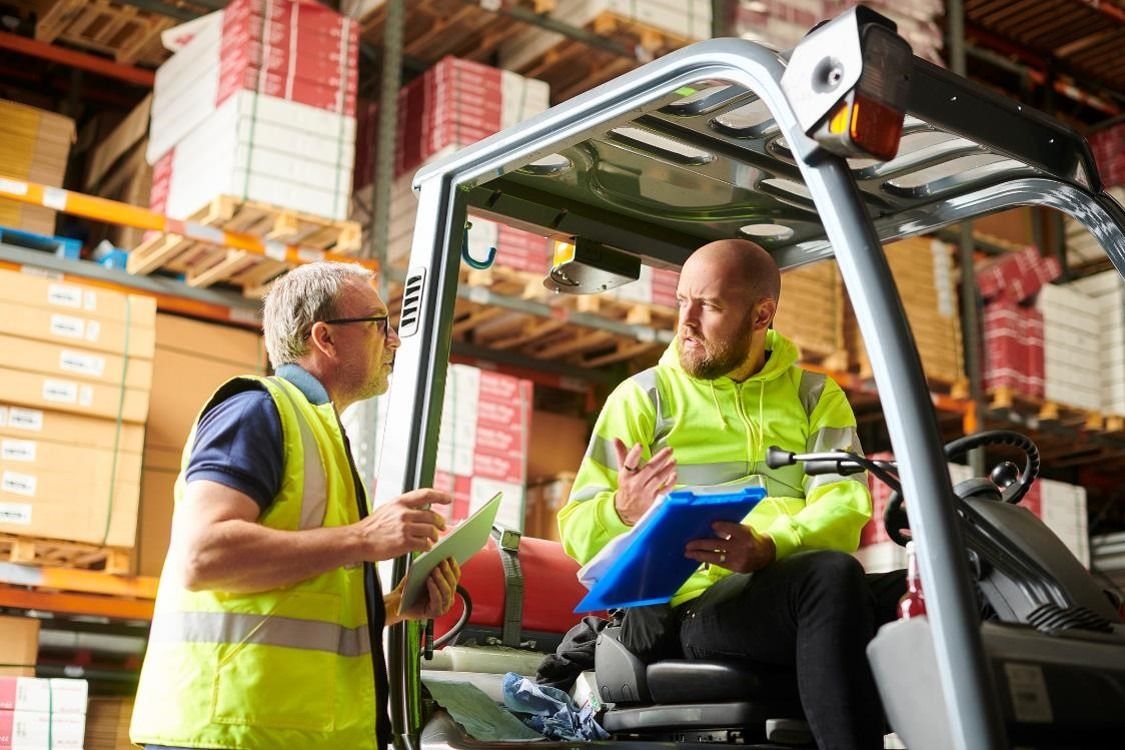
Logistics Team Leaders typically work across warehouse floors, distribution centres, and office‑based areas. Practical workwear is common in operational environments and often includes personal protective equipment (PPE) such as high‑visibility clothing, safety footwear, and gloves where required. For administrative duties, meetings, or system‑based work, smart casual dress is usually appropriate. Dress requirements may vary depending on site safety rules, shift patterns, and the type of goods being handled.
Logistics Team Leader Responsibilities
Logistics Team Leaders support daily operations by leading teams, allocating labour and material handling equipment (MHE), overseeing safety checks, maintaining accurate workflow, and keeping records up to date. They coordinate with warehouse, inventory, and transport colleagues to maintain smooth stock movement and consistent service.
Logistics Team Leader Tips
Keeping communication clear and simple helps the day run more smoothly. Short shift briefs, visible task lists, and regular check ins on the warehouse floor help identify issues early. Using warehouse systems effectively allows you to monitor tasks without relying on guesswork. Staying calm during busy periods, asking for updates when you need them, and building trust with your team will help reduce delays and improve accuracy over time.
Logistics Team Leader Skills and Qualifications
This role generally does not require strict qualifications. Employers often focus on warehousing experience, leadership potential, communication skills, attention to detail, and confidence using warehouse systems. Safety awareness and the ability to support people through changing priorities are also important.
Formal Education or Apprenticeship
Some employers prefer candidates with vocational training such as a Level 3 warehousing or supply chain qualification, although many people progress into the role from operative or administrative positions as experience is often most valued.
Apprenticeships in warehousing or supply chain operations can provide structured development, strengthening your understanding of stock flow, safe handling, and basic planning with hands-on experience. Safety courses, such as IOSH Managing Safely, are often highly valued and can help build confidence in assessing risks, understanding responsibilities, and supporting safe day-to-day practices.
Technical Expertise Relevant to Logistics Supervisor
You will regularly use a WMS to manage stock locations, organise picking tasks, support accuracy, and keep information up to date. Some workplaces also use a TMS to help align workload with vehicle schedules. Knowing how to use these systems accurately and effectively is essential for the role as they will make up part of your day-to-day work. Being comfortable with other essential digital tools such as spreadsheets, handheld scanners, and basic software helps you stay organised and communicate clearly with other teams.
Practical Mindset and Adaptability
A practical, steady approach will help you manage the changing demands of a warehouse environment. Issues such as late arrivals, stock discrepancies, or equipment availability are common, and responding calmly supports safer and more efficient shifts. Clear communication helps your team stay aligned, and attention to detail reduces the risk of errors. Understanding health and safety principles helps you maintain a safe and productive operation. Adaptability is essential for maintaining smooth operations, even during changing demands and pressures.

Logistics Team Leader Duties
Logistics Team Leaders support daily operations by organising work, guiding team members, checking performance, responding to changes, and ensuring documentation is accurate and complete.
Plan and Execute Core Tasks
As a Logistics Team Leader, you will organise the shift plan by balancing staff numbers, equipment, and workload. This includes preparing tasks for goods in, put-away, picking, packing or dispatch, and coordinating with transport colleagues for loading times. Using warehouse systems helps you check progress, confirm priorities, and adjust activity when needed. Regular communication with drivers, stock controllers, and other teams ensures work remains aligned throughout the shift. You will regularly need to review plans and ensure work distribution is balanced across your team.
Diagnose and Resolve Issues
You may also deal with problems on a regular basis. As a Logistics Team Leader, some common challenges you will face include short picks, damaged stock, incorrect locations, or delays. A practical approach helps you investigate quickly and decide on the best course of action. You might reassign staff, request replenishments, organise rework, or update transport colleagues. Staying aware of progress through a mix of warehouse system checks and walking the floor helps you spot issues early and reduce delays.
Maintain Records of Work and Compliance
Accurate records support safe and compliant operations, making them an essential part of a Logistic Team Leaders day-to-day work. You will help maintain information such as stock adjustments, equipment checks, training logs, and shift updates, ensuring that they are recorded accurately. Some warehouses may handle goods that fall under HMRC requirements for customs-controlled stock, where accurate record keeping, location tracking, and documentation are essential. By maintaining accurate records, you will be able to correctly report on stock, storage, and distribution, as well as ensure key stakeholders are well-informed.
Logistics Team Leader Career Path and Progression
Experience as a Logistics Team Leader provides strong foundations for supervisory, planning, or operational management roles. Clear communication, team development, and understanding of warehouse processes support long-term progression.
Progress to Senior or Specialist Roles
As a Logistics Teams Leader, there are a variety of senior or specialist roles you can progress into. You may move into specialist areas such as inventory control, systems support, training, quality, or continuous improvement. Each path benefits from deeper knowledge of warehouse processes, data interpretation and problem solving. Industry career maps highlight multiple routes from Team Leader level into wider operational and planning roles that give you more responsibility, larger teams, or more complex supply chain management.

Supervisor and Manager Positions
With experience, some Logistics Team Leaders can also progress into roles such as Warehouse Supervisor, Shift Manager, or Operations Manager. These positions involve overseeing larger teams, managing key performance indicators (KPIs), supporting improvement projects, and working closely with planning, stock, and transport teams. Strong leadership habits developed as a Team Leader support success in these broader roles. This is the next best opportunity for professionals looking to expand their skillset with more responsibilities and people management opportunities, acting as a strategic partner to businesses.
FAQs on Becoming a Logistics Team Leader
How Long Does It Take to Become a Logistics Team Leader?
Many people move into team leadership within one to three years of gaining experience in warehouse roles, particularly when they demonstrate reliability, communication skills, and interest in learning.
Do You Need Formal Qualifications to Be a Logistics Team Leader?
Formal qualifications are not usually required. Employers tend to focus on practical logistics experience, communication skills, and confidence leading small teams. Safety-related training can help strengthen applications.
How Much Does a Logistics Team Leader Make?
Logistics Team Leader roles in the UK typically fall around £31,000 per year, depending on experience, sector and operation size. Shift patterns and environment can influence salary levels.
What Does a Logistics Team Leader Do?
A Logistics Team Leader organises daily warehouse work, supports team members, maintains safety and accuracy, resolves issues and ensures stock and documentation are handled correctly to keep goods moving efficiently through the operation.